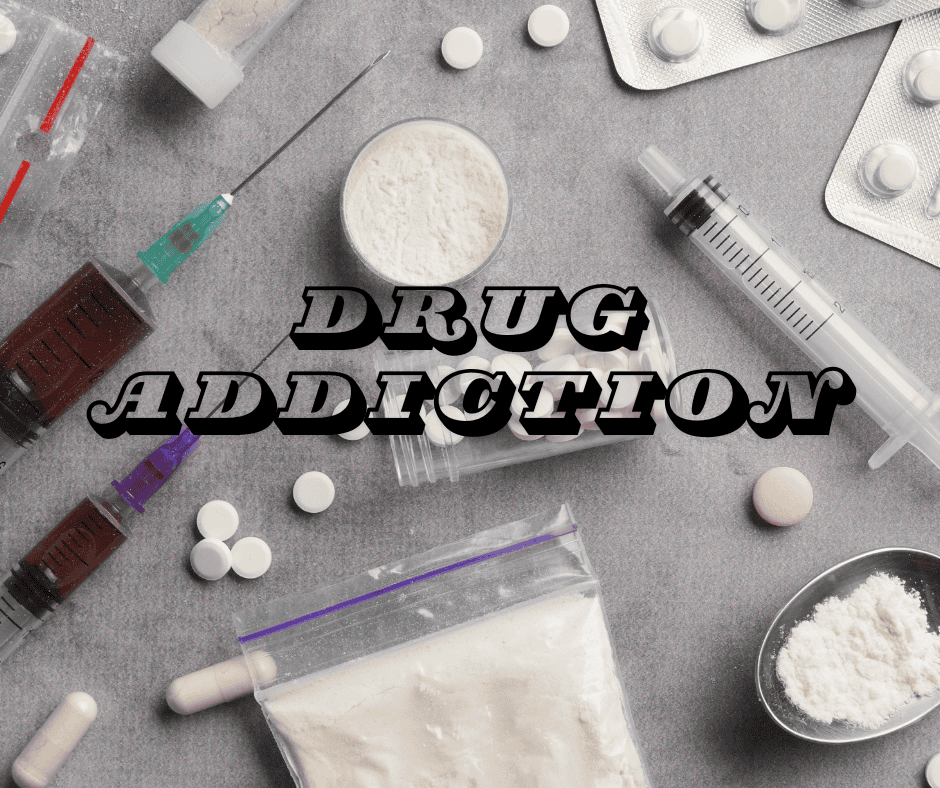
Drug addiction is a complex and pervasive issue that affects millions of people globally. Traditional methods, such as 12-step programs and detoxification, have helped many individuals on the road to recovery, but the nature of addiction often requires a more dynamic approach. In recent years, innovative treatment methods have emerged, offering more personalized, science-based, and holistic care for those struggling with addiction. These new methods not only address the chemical aspects of addiction but also the psychological, social, and behavioral components. Understanding what works and why can help pave the way for more effective treatment solutions.
Medication-Assisted Treatment (MAT)
Medication-Assisted Treatment (MAT) has become an essential tool in treating opioid and alcohol addictions. MAT combines FDA-approved medications with behavioral therapies, allowing individuals to manage withdrawal symptoms and reduce cravings while focusing on their recovery. Drugs like methadone, buprenorphine, and naltrexone have proven effective for many people battling opioid dependence. These medications help stabilize brain chemistry, block the euphoric effects of opioids, and ease withdrawal symptoms, allowing individuals to focus on long-term recovery.
What makes MAT innovative is its integration with therapy, enabling patients to work through underlying emotional and psychological issues. This combination makes recovery less painful and more sustainable, as it addresses both the physical and mental aspects of addiction.
Cognitive Behavioral Therapy (CBT)
Cognitive Behavioral Therapy (CBT) is a psychological treatment that has been adapted for addiction treatment, focusing on changing unhealthy thought patterns that lead to substance use. CBT helps individuals identify triggers, develop coping strategies, and create healthier behaviors. Unlike traditional talk therapy, CBT is more action-oriented, guiding patients to make immediate and practical changes in their behavior.
One reason CBT is so effective in treating addiction is its ability to address the underlying cognitive distortions that perpetuate the cycle of addiction. By challenging these unhealthy beliefs and attitudes, individuals learn to manage stress, emotions, and cravings without turning to drugs or alcohol. CBT has also been shown to have lasting effects, as patients continue to use the skills they learn long after treatment ends.
Mindfulness-Based Relapse Prevention (MBRP)
Mindfulness-Based Relapse Prevention (MBRP) is another innovative approach gaining traction in addiction treatment. MBRP teaches individuals to stay present in the moment, cultivating awareness of their thoughts, feelings, and cravings without acting on them. By practicing mindfulness, individuals develop a stronger ability to tolerate discomfort, reducing the likelihood of relapse.
What sets MBRP apart is its holistic nature. While it addresses the mental and emotional components of addiction, it also emphasizes physical well-being through practices like meditation and yoga. This integration of mind and body can lead to a more balanced and sustainable recovery.
Virtual and Telehealth Therapy
In the digital age, technology has also played a pivotal role in addiction treatment. Virtual therapy and telehealth services allow individuals to access treatment from the comfort of their own homes, making it easier for those in rural or underserved areas to receive care. These platforms also provide continuous support, offering access to therapists, counselors, and peer support groups in real time.
Telehealth services have proven particularly useful during the COVID-19 pandemic, allowing individuals to maintain continuity in their treatment. Moreover, the flexibility and accessibility of online platforms have encouraged more people to seek help, removing the stigma associated with in-person treatment centers.
Conclusion
Innovative approaches to drug addiction treatment have revolutionized the recovery landscape, offering more personalized, integrated, and effective solutions. From Medication-Assisted Treatment to Cognitive Behavioral Therapy, Mindfulness-Based Relapse Prevention, and telehealth, these methods address the diverse needs of individuals struggling with addiction. By focusing on both the physical and psychological aspects of recovery, these new treatments provide a more comprehensive path to healing and long-term sobriety.