The Role of Therapy in Drug Addiction Recovery: CBT, DBT, and Beyond

Recovering from drug addiction involves more than just detoxifying the body. Addiction is a complex disease that deeply affects the brain, emotions, behaviors, and relationships. To address these dimensions, therapy plays a central role in addiction recovery. Through evidence-based approaches such as Cognitive Behavioral Therapy (CBT), Dialectical Behavior Therapy (DBT), and other therapeutic methods, individuals can develop the tools needed to maintain long-term sobriety and rebuild meaningful lives.

Cognitive Behavioral Therapy (CBT)

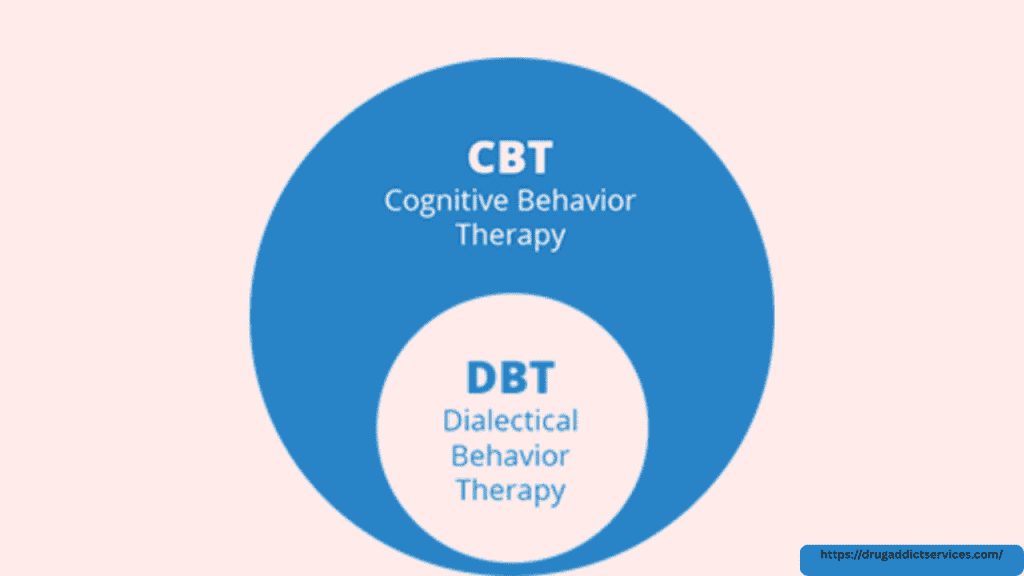
Cognitive Behavioral Therapy is one of the most widely used and researched therapies in addiction treatment. CBT helps individuals recognize and change destructive thought patterns that lead to substance use. The core idea is that thoughts influence emotions, which in turn influence behaviors. By learning to identify and challenge distorted thoughts, individuals can alter their behaviors and develop healthier coping strategies.

CBT is particularly effective in helping patients manage triggers, prevent relapse, and deal with stress or cravings. It teaches practical skills such as problem-solving, goal-setting, and emotional regulation, making it a cornerstone of many addiction treatment programs.

Dialectical Behavior Therapy (DBT)

Dialectical Behavior Therapy, originally developed for individuals with borderline personality disorder, has proven to be highly effective in treating substance use disorders, especially when emotional dysregulation is a core issue. DBT emphasizes the balance between acceptance and change. It helps individuals understand their emotions, manage distress without turning to drugs, and improve interpersonal relationships.

DBT focuses on four main skill areas:

  • Mindfulness: Becoming aware of the present moment and one’s feelings without judgment.
  • Distress Tolerance: Learning to cope with crises and emotional pain in healthy ways.
  • Emotion Regulation: Identifying, understanding, and managing emotions constructively.
  • Interpersonal Effectiveness: Developing healthy communication and boundary-setting skills.

By teaching these skills, DBT equips individuals with the emotional tools to navigate recovery and reduce the urge to self-medicate.

Beyond CBT and DBT: Other Therapeutic Approaches

While CBT and DBT are foundational therapies, addiction treatment often incorporates a variety of additional methods to provide comprehensive support:

  • Motivational Interviewing (MI): A client-centered approach that helps individuals resolve ambivalence about quitting drugs and strengthens their commitment to change.
  • Trauma-Informed Therapy: Many people with addiction have experienced trauma. This approach addresses the impact of trauma on addiction and fosters healing in a safe, supportive environment.
  • Group Therapy: Peer support helps individuals feel less isolated, share experiences, and learn from others on the same journey.
  • Family Therapy: Involving loved ones in the recovery process can rebuild trust, improve communication, and create a more supportive home environment.

Conclusion

Therapy is a vital component of drug addiction recovery. Whether it’s CBT, DBT, or other therapeutic approaches, counseling helps individuals uncover the root causes of addiction, develop healthier thought patterns, and build life skills necessary for sustained sobriety. When combined with medical treatment and a strong support network, therapy becomes a powerful force in the journey toward a drug-free life.

Inpatient vs. Outpatient Rehab: Choosing the Right Path to Sobriety

When it comes to overcoming addiction, choosing the right treatment approach is a critical step in the recovery journey. Two of the most common types of rehabilitation programs are inpatient rehab and outpatient rehab. Both options offer effective support for sobriety, but they differ significantly in structure, intensity, and environment. Understanding the key differences between inpatient and outpatient rehab can help individuals and their families make an informed decision tailored to their unique needs and circumstances.

Inpatient Rehab: A Structured Healing Environment

Inpatient rehabilitation, also known as residential treatment, involves living at a rehab facility for a designated period—typically ranging from 30 to 90 days or more. During this time, individuals receive around-the-clock care in a structured and supportive environment, free from external distractions and triggers.

Benefits of Inpatient Rehab:

  • 24/7 Medical and Emotional Support: Patients have constant access to medical professionals and therapists, ensuring a safe and closely monitored detox and recovery process.
  • Immersive Environment: Being removed from everyday stressors allows individuals to focus solely on recovery without the risk of exposure to substance-related triggers.
  • Comprehensive Care: Inpatient programs often offer a wide range of services, including individual therapy, group counseling, holistic treatments, and family support.

Inpatient rehab is ideal for individuals with severe or long-term addictions, co-occurring mental health disorders, or those who have experienced multiple relapses. It provides a solid foundation for recovery and helps establish new, healthy routines.

Outpatient Rehab: Flexibility and Independence

Outpatient rehabilitation allows individuals to live at home while attending treatment sessions at scheduled times. This option is more flexible and often more affordable, making it a suitable choice for those with work, school, or family obligations.

Benefits of Outpatient Rehab:

  • Flexible Schedule: Patients can continue their daily responsibilities while receiving treatment, making it easier to balance recovery with life commitments.
  • Cost-Effective: Outpatient programs generally cost less than inpatient care, making them more accessible for individuals without extensive insurance coverage.
  • Support Integration: Outpatient rehab allows patients to apply recovery strategies in real-life situations, providing opportunities to strengthen coping skills in real time.

Outpatient rehab works well for individuals with mild to moderate substance use disorders, a strong support system at home, and high levels of self-motivation. It’s also an excellent step-down option following a stay in inpatient treatment.

Choosing the Right Path

The choice between inpatient and outpatient rehab should be based on a thorough assessment of the individual’s physical, emotional, and lifestyle needs. Factors to consider include the severity of addiction, risk of relapse, mental health status, and available support systems.

In some cases, a combination of both approaches—starting with inpatient rehab and transitioning to outpatient care—may provide the most effective long-term support.

Conclusion

Both inpatient and outpatient rehab offer valuable tools and support for individuals seeking sobriety. There is no one-size-fits-all answer, and the right choice depends on each person’s unique circumstances. With the right treatment plan and a commitment to recovery, lasting sobriety is within reach—regardless of the path chosen.

Medication-Assisted Treatment: How Science is Revolutionizing Addiction Recovery

Addiction is a chronic and complex condition that impacts millions of individuals and their families worldwide. While treatment methods have evolved over the years, one of the most significant advancements in addiction recovery is Medication-Assisted Treatment (MAT). MAT combines the use of FDA-approved medications with counseling and behavioral therapies to treat substance use disorders. By addressing both the physical and psychological aspects of addiction, MAT has been instrumental in improving recovery outcomes and providing a more holistic approach to treatment.

What is Medication-Assisted Treatment?

Medication-Assisted Treatment involves the use of specific medications that help individuals manage withdrawal symptoms, curb cravings, and prevent relapse. MAT is typically used in the treatment of opioid addiction, but it is also effective for alcohol use disorder. MAT is not a standalone solution but is integrated into a comprehensive treatment plan that includes behavioral therapy and counseling to address the emotional and psychological aspects of addiction.

MAT aims to stabilize individuals early in their recovery by reducing the physiological effects of addiction, enabling them to engage more fully in therapy and make long-lasting behavioral changes. MAT is not a quick fix; instead, it offers a long-term solution for managing addiction, making it possible for individuals to live healthier, more fulfilling lives.

How MAT Works

MAT works by restoring normal brain function and minimizing the negative effects of substance withdrawal. There are several types of medications used in MAT, each targeting different substances and providing specific benefits:

  • Methadone: A long-acting opioid agonist, methadone is used to treat opioid addiction. It reduces withdrawal symptoms and cravings without producing the euphoric effects associated with opioid misuse.

  • Buprenorphine: A partial opioid agonist, buprenorphine is another medication used to treat opioid addiction. It helps alleviate withdrawal symptoms and cravings while limiting the risk of overdose.

  • Naltrexone: Naltrexone blocks the euphoric effects of opioids and alcohol. It is often used in treating both opioid and alcohol addiction by preventing relapse.

  • Disulfiram: Primarily used for alcohol addiction, disulfiram causes unpleasant side effects when alcohol is consumed, acting as a deterrent and reducing the likelihood of relapse.

These medications are combined with therapy to treat the individual’s addiction comprehensively.

Benefits of MAT

MAT offers several benefits that enhance the recovery process:

  • Reduced Withdrawal Symptoms and Cravings: Withdrawal symptoms are often one of the most challenging aspects of recovery. MAT helps reduce these symptoms, making it easier for individuals to focus on their treatment rather than on the physical discomfort of withdrawal.

  • Increased Treatment Retention: Studies have shown that individuals undergoing MAT are more likely to stay in treatment for longer periods, leading to better long-term recovery outcomes. MAT helps patients stabilize emotionally and physically, increasing their engagement with therapeutic services.

  • Improved Quality of Life: MAT helps individuals regain a sense of normalcy and stability. With the physical cravings reduced, individuals can focus on work, relationships, and personal growth, which contributes to overall well-being.

  • Lower Risk of Relapse: By addressing both the physical dependence and psychological cravings, MAT significantly reduces the risk of relapse. It offers a comprehensive strategy to help individuals stay sober in the long term.

The Role of Therapy in MAT

While medications are crucial in MAT, therapy plays an equally important role. Behavioral therapies, such as Cognitive Behavioral Therapy (CBT) and Motivational Interviewing (MI), help individuals develop coping strategies, improve emotional regulation, and address underlying mental health issues. Counseling is essential to support individuals as they navigate recovery, helping them to build resilience and avoid relapse triggers.

Conclusion

Medication-Assisted Treatment is a revolutionary approach to addiction recovery that incorporates science, medication, and therapy to address the complex nature of substance use disorders. By providing individuals with the tools to manage cravings, reduce withdrawal symptoms, and improve overall well-being, MAT offers a comprehensive and evidence-based treatment pathway. For many individuals struggling with addiction, MAT has been a game-changer, providing hope and a better chance at long-term recovery.

Holistic Healing: Integrating Mind, Body, and Spirit in Addiction Treatment

Addiction is a complex condition that affects not only the body but also the mind and spirit. Traditional treatment methods, such as medication and therapy, are essential, but many individuals find deeper healing through a holistic approach. Holistic addiction treatment focuses on integrating the mind, body, and spirit to address the root causes of addiction and promote long-term recovery.

Understanding Holistic Healing

Holistic healing in addiction treatment considers the entire individual rather than just the physical symptoms of substance use. This approach incorporates various therapies and lifestyle changes that foster overall well-being. By addressing mental, emotional, and spiritual health alongside physical recovery, holistic healing provides a comprehensive path to sobriety.

Healing the Mind

Mental health plays a crucial role in addiction recovery. Many individuals struggling with addiction also experience anxiety, depression, or trauma. Holistic therapies that support mental wellness include:

  • Mindfulness and Meditation: These practices help individuals become aware of their thoughts and emotions, reducing stress and promoting self-control.
  • Cognitive Behavioral Therapy (CBT): While often part of traditional treatment, CBT can be integrated into holistic recovery to change negative thought patterns.
  • Art and Music Therapy: Expressing emotions through creative outlets can provide healing and emotional release.

Healing the Body

Substance abuse can take a significant toll on physical health. A holistic approach prioritizes restoring the body through:

  • Nutritional Therapy: A well-balanced diet helps replenish essential nutrients and improve overall health.
  • Exercise and Movement Therapy: Activities such as yoga, tai chi, and strength training help rebuild physical strength and enhance mental clarity.
  • Massage and Acupuncture: These techniques promote relaxation, relieve stress, and support detoxification.

Healing the Spirit

Spiritual healing is a key component of holistic addiction recovery, helping individuals find meaning and purpose beyond their substance use. Spiritual practices that aid in recovery include:

  • Prayer and Meditation: Encouraging self-reflection and a connection to a higher power or inner self.
  • Nature Therapy: Spending time outdoors can enhance spiritual well-being and provide a sense of peace.
  • Community Support: Engaging in peer support groups, religious or spiritual gatherings, and volunteer work fosters a sense of belonging and purpose.

The Benefits of Holistic Addiction Treatment

By integrating mind, body, and spirit in addiction treatment, individuals can experience:

  • Reduced stress and anxiety
  • Improved physical health
  • Greater emotional resilience
  • A stronger sense of purpose and self-worth
  • A lower risk of relapse due to comprehensive healing

Conclusion

Holistic healing provides a well-rounded approach to addiction recovery by addressing the physical, mental, and spiritual aspects of an individual’s life. While traditional treatments remain essential, incorporating holistic methods enhances overall well-being and supports long-term sobriety. By embracing a holistic approach, individuals can heal on a deeper level and create a more fulfilling, addiction-free life.


From Detox to Recovery: A Step-by-Step Guide to Overcoming Addiction

Addiction is a serious and complex condition that affects millions of people worldwide. Overcoming addiction is a journey that requires dedication, support, and a structured plan. From detox to long-term recovery, each step plays a vital role in breaking free from substance dependence. Here is a step-by-step guide to overcoming addiction and rebuilding a healthier life.

Step 1: Recognizing the Problem

The first and most crucial step in overcoming addiction is acknowledging the problem. Many individuals struggle with denial, making it difficult to seek help. Accepting the need for change is the foundation of recovery and paves the way for treatment.

Step 2: Seeking Professional Help

Once the problem is recognized, seeking professional help is essential. Addiction specialists, therapists, and medical professionals can assess the severity of addiction and recommend the best course of treatment. Whether it be inpatient or outpatient rehab, getting the right professional guidance ensures a safer and more effective recovery process.

Step 3: Undergoing Detoxification

Detoxification, or detox, is the process of eliminating harmful substances from the body. This stage can be physically and emotionally challenging, as withdrawal symptoms may occur. Medical supervision during detox is recommended to manage symptoms safely and minimize discomfort. Detox is a necessary step to prepare individuals for further treatment.

Step 4: Engaging in Therapy and Counseling

Therapy is a fundamental component of addiction recovery. Various therapeutic approaches help individuals understand the root causes of their addiction and develop coping strategies. Some common therapies include:

  • Cognitive Behavioral Therapy (CBT): Helps change negative thought patterns and behaviors.
  • Dialectical Behavior Therapy (DBT): Focuses on emotional regulation and stress management.
  • Group Therapy: Provides peer support and shared experiences.
  • Family Therapy: Strengthens relationships and addresses family dynamics affected by addiction.

Step 5: Medication-Assisted Treatment (MAT) (If Applicable)

For certain types of addiction, medication-assisted treatment (MAT) can help reduce cravings and withdrawal symptoms. Medications like methadone, buprenorphine, or naltrexone may be prescribed to support recovery, especially for opioid or alcohol addiction.

Step 6: Developing a Relapse Prevention Plan

Relapse prevention is crucial for maintaining sobriety. Individuals must identify triggers, learn coping mechanisms, and build a support system to prevent relapse. Techniques such as mindfulness, stress management, and lifestyle changes play an important role in staying on track.

Step 7: Building a Support Network

Recovery is more sustainable with a strong support system. Joining support groups like Alcoholics Anonymous (AA) or Narcotics Anonymous (NA) provides encouragement and accountability. Family, friends, and mentors also contribute significantly to emotional and social support.

Step 8: Committing to Long-Term Recovery

Overcoming addiction is not just about quitting substances; it’s about transforming one’s life. Engaging in healthy activities, pursuing new interests, and setting personal goals contribute to long-term success. Regular check-ins with therapists or support groups help maintain motivation and resilience.

Conclusion

From detox to recovery, overcoming addiction is a multi-step process that requires commitment, professional guidance, and strong support. By following these steps, individuals can reclaim their lives and build a future free from substance dependence. Recovery is possible, and every step forward is a victory.

Breaking the Chains: Effective Treatment Strategies for Drug Addiction

Drug addiction is a complex and challenging issue that affects millions of individuals and their families worldwide. Breaking free from the chains of addiction requires a multifaceted approach, incorporating medical, psychological, and social support systems. Effective treatment strategies can help individuals regain control over their lives and achieve long-term recovery. Below, we explore some of the most impactful methods used in addiction treatment today.

1. Medical Detoxification

One of the first steps in treating drug addiction is detoxification, a medically supervised process that helps the body eliminate substances while managing withdrawal symptoms. Depending on the severity of the addiction and the substance involved, detox can take a few days to a couple of weeks. Medical professionals may prescribe medications such as methadone, buprenorphine, or naltrexone to ease withdrawal symptoms and reduce cravings, especially for opioid and alcohol addictions.

2. Behavioral Therapy and Counseling

Behavioral therapy is a cornerstone of addiction treatment, helping individuals recognize harmful thought patterns and develop healthier coping mechanisms. Common therapies include:

  • Cognitive Behavioral Therapy (CBT): Focuses on identifying and modifying negative behaviors related to substance abuse.
  • Dialectical Behavior Therapy (DBT): Helps individuals manage stress, emotions, and interpersonal relationships.
  • Motivational Interviewing (MI): Encourages individuals to find intrinsic motivation for recovery.
  • Contingency Management (CM): Uses positive reinforcement to promote abstinence. Therapies can be conducted individually or in group settings, allowing individuals to share experiences and receive support from peers.

3. Medication-Assisted Treatment (MAT)

Medication-Assisted Treatment is especially effective for opioid and alcohol addiction. MAT combines behavioral therapy with FDA-approved medications to reduce cravings and withdrawal symptoms. Medications like methadone and buprenorphine can help individuals stabilize their lives, while naltrexone blocks the euphoric effects of opioids and alcohol, reducing the risk of relapse.

4. Support Groups and 12-Step Programs

Peer support plays a crucial role in long-term recovery. Programs such as Alcoholics Anonymous (AA) and Narcotics Anonymous (NA) offer structured 12-step approaches that emphasize personal responsibility, spiritual growth, and community support. These groups provide a safe space for individuals to share their struggles and successes, reinforcing the commitment to sobriety.

5. Holistic Approaches to Recovery

Holistic treatments focus on healing the mind, body, and spirit. Many rehab centers incorporate alternative therapies such as:

  • Yoga and meditation to promote mindfulness and stress reduction.
  • Art and music therapy to help express emotions and foster creativity.
  • Nutritional counseling to rebuild physical health after prolonged substance use. These methods complement traditional therapies and enhance overall well-being.

6. Aftercare and Relapse Prevention

Recovery is a lifelong process, and aftercare is essential for maintaining sobriety. After completing a rehab program, individuals may benefit from sober living homes, ongoing counseling, and continued participation in support groups. Developing a relapse prevention plan, identifying triggers, and building a strong support network are crucial steps in sustaining long-term recovery.

Conclusion

Breaking the chains of drug addiction requires a combination of medical intervention, psychological support, and community engagement. By incorporating detox, therapy, medication-assisted treatment, peer support, holistic approaches, and aftercare strategies, individuals can achieve lasting recovery. With the right treatment plan and support system, overcoming addiction is possible, leading to a healthier, more fulfilling life.

Understanding the Impact of Behavioral Therapy on Long-Term Drug Recovery

Drug addiction is a chronic condition that affects the brain’s reward system, leading to compulsive substance use despite harmful consequences. Effective treatment often requires more than just detoxification or medication. Behavioral therapy has emerged as a cornerstone in addiction treatment, playing a vital role in helping individuals achieve and maintain long-term recovery. By addressing the psychological and behavioral aspects of addiction, this form of therapy equips individuals with the tools needed to overcome challenges and sustain sobriety.

What is Behavioral Therapy?

Behavioral therapy encompasses a range of evidence-based treatments aimed at changing unhealthy patterns of thinking, emotions, and behaviors associated with substance use. Unlike purely medical approaches, behavioral therapy focuses on identifying triggers, modifying responses, and developing healthy coping mechanisms. The ultimate goal is to empower individuals to make better choices and reduce the likelihood of relapse.

Common forms of behavioral therapy used in addiction treatment include Cognitive Behavioral Therapy (CBT), Dialectical Behavior Therapy (DBT), and Contingency Management (CM). Each of these approaches targets specific aspects of addiction and recovery, ensuring that treatment is tailored to the individual’s unique needs.

Key Benefits of Behavioral Therapy in Long-Term Recovery

1. Addressing Underlying Issues

Behavioral therapy helps individuals uncover and address the root causes of their addiction. These often include unresolved trauma, mental health disorders, or unhealthy coping mechanisms. For example, CBT focuses on identifying and challenging negative thought patterns that contribute to substance use, replacing them with healthier alternatives.

By addressing these underlying issues, individuals are better equipped to manage stressors and emotions without relying on drugs or alcohol. This deeper level of healing is essential for sustained recovery.

2. Building Resilience Against Triggers

A significant aspect of behavioral therapy is helping individuals recognize and manage triggers—situations, emotions, or environments that prompt substance use. Therapists work with individuals to develop personalized coping strategies, such as mindfulness techniques, stress management skills, and effective communication.

For instance, DBT, which was originally developed for individuals with intense emotional regulation issues, teaches skills like distress tolerance and emotional regulation. These tools can be especially valuable for individuals in recovery who face high levels of stress or emotional pain.

3. Fostering Positive Behavioral Changes

Behavioral therapy focuses on promoting positive behaviors while discouraging harmful ones. In Contingency Management, individuals are rewarded for achieving specific recovery milestones, such as attending therapy sessions or passing drug tests. This positive reinforcement encourages adherence to treatment and helps build confidence in their ability to stay sober.

By creating structured routines and reinforcing healthy habits, individuals can establish a stable foundation for recovery that extends beyond the treatment period.

4. Improving Relationships and Social Support

Substance use often damages personal relationships, leading to isolation and a lack of support. Behavioral therapy can help individuals rebuild trust and improve communication with loved ones. Family therapy, for instance, focuses on repairing relationships, fostering understanding, and creating a supportive environment that encourages recovery.

Healthy relationships play a critical role in maintaining long-term sobriety, as they provide encouragement, accountability, and a sense of belonging.

Long-Term Impact of Behavioral Therapy

The benefits of behavioral therapy extend well beyond the initial stages of recovery. Research shows that individuals who engage in therapy are less likely to relapse and more likely to maintain sobriety over time. Therapy equips individuals with lifelong skills to navigate challenges, reduce stress, and maintain emotional balance.

Moreover, the tools and insights gained through therapy often have a ripple effect, improving other areas of life such as career, education, and overall mental health. This holistic improvement enhances quality of life, making recovery more sustainable and fulfilling.

Conclusion

Behavioral therapy is a transformative component of addiction treatment, addressing the psychological and behavioral factors that sustain substance use. By equipping individuals with the tools to manage triggers, build resilience, and foster positive behaviors, therapy paves the way for lasting recovery. For those seeking a comprehensive approach to overcoming addiction, behavioral therapy provides a strong foundation for lifelong sobriety and personal growth.

Comprehensive Care: How Drug Addiction Services Transform Lives

Drug addiction is a pervasive issue that affects individuals, families, and communities worldwide. The journey to recovery is often fraught with challenges, but comprehensive drug addiction services can significantly transform lives, offering hope and a path to a brighter future. These services provide holistic care tailored to the unique needs of each individual, addressing not just the addiction but also the underlying factors that contribute to it.

Addressing the Root Causes

One of the key components of comprehensive care is its focus on understanding and addressing the root causes of addiction. Many individuals struggling with substance use disorders face underlying issues such as trauma, mental health conditions, or socio-economic challenges. Comprehensive drug addiction services include counseling, therapy, and psychiatric care to tackle these underlying problems. By addressing these root causes, individuals are better equipped to overcome their addiction and prevent relapse.

Integrated and Personalized Treatment Plans

Comprehensive care is not a one-size-fits-all approach. Effective drug addiction services create personalized treatment plans that consider the specific circumstances and needs of each individual. These plans often combine various modalities, such as medical detoxification, behavioral therapy, medication-assisted treatment (MAT), and support groups. This integrative approach ensures that individuals receive the right combination of treatments to aid their recovery.

Medical Detoxification and Withdrawal Management

The first step in many recovery journeys is medical detoxification, a process that safely manages withdrawal symptoms as individuals eliminate substances from their bodies. Comprehensive drug addiction services provide medically supervised detox programs to ensure safety and comfort during this critical phase. Withdrawal management helps reduce the risk of complications and prepares individuals for the next steps in their recovery.

Behavioral Therapy and Counseling

Therapy is a cornerstone of comprehensive care, offering individuals the tools to understand their addiction and develop healthier coping mechanisms. Cognitive-behavioral therapy (CBT), motivational interviewing, and family counseling are common therapeutic approaches used in addiction services. These therapies help individuals identify triggers, modify negative thought patterns, and rebuild relationships strained by addiction.

Support Systems and Aftercare

Recovery doesn’t end after initial treatment. Comprehensive drug addiction services emphasize the importance of ongoing support and aftercare. Support groups, such as Narcotics Anonymous, provide a sense of community and accountability, while aftercare programs help individuals maintain their sobriety and reintegrate into society. These services often include job training, educational opportunities, and housing assistance to address the practical challenges of rebuilding one’s life.

Holistic and Alternative Therapies

In recent years, many drug addiction services have incorporated holistic and alternative therapies into their programs. Practices such as yoga, meditation, art therapy, and equine-assisted therapy offer additional avenues for healing. These approaches can help individuals manage stress, improve emotional well-being, and foster a sense of inner peace.

Transforming Lives and Communities

The impact of comprehensive drug addiction services extends beyond the individual. When individuals recover, families are reunited, and communities grow stronger. Successful recovery reduces the social and economic costs associated with addiction, such as healthcare expenses, criminal justice involvement, and lost productivity. By transforming lives, comprehensive care contributes to a healthier and more harmonious society.

In conclusion, drug addiction services that provide comprehensive care are essential in addressing the complexities of addiction. By focusing on the whole person and offering integrated, personalized support, these services empower individuals to overcome their struggles and lead fulfilling lives. The transformative power of comprehensive care not only changes the trajectory of individual lives but also creates ripple effects that benefit families and communities at large.

Holistic Approaches to Drug Addiction Recovery: Beyond Traditional Methods

Drug addiction is a multifaceted issue that affects the body, mind, and spirit. While traditional treatments like detoxification, medication, and counseling have proven effective for many, a growing number of recovery programs are embracing holistic approaches to address addiction’s deeper, underlying causes. These methods go beyond treating the symptoms of addiction to nurture the whole person, helping individuals achieve balance and lasting recovery.

What is a Holistic Approach?

Holistic addiction recovery emphasizes healing the individual as a whole, focusing on physical, emotional, mental, and spiritual well-being. Unlike conventional treatments that often zero in on managing withdrawal symptoms or specific behavioral patterns, holistic approaches aim to identify and address the root causes of addiction. They integrate alternative therapies alongside traditional methods, offering a more comprehensive and personalized path to recovery.

Holistic treatments often include mindfulness practices, physical fitness, nutrition, and creative therapies. These methods work together to improve overall health, reduce stress, and build resilience, empowering individuals to maintain sobriety and thrive in recovery.

Key Holistic Methods in Addiction Recovery

1. Mindfulness and Meditation

Mindfulness and meditation have become central components of many holistic recovery programs. These practices teach individuals to focus on the present moment, helping them cultivate self-awareness and emotional regulation. By learning to observe thoughts and cravings without judgment, individuals can reduce impulsive behaviors and make more conscious decisions.

Mindfulness-Based Relapse Prevention (MBRP) is one example of how meditation is integrated into addiction treatment. MBRP combines mindfulness techniques with relapse prevention strategies, helping individuals develop tools to cope with triggers and stress without turning to substances.

2. Yoga and Physical Fitness

Physical activities like yoga and exercise are powerful tools in holistic addiction recovery. Yoga, in particular, offers both physical and mental benefits by combining movement, breath control, and meditation. It helps reduce stress, improve mood, and increase physical strength and flexibility.

Exercise, more broadly, stimulates the release of endorphins, which enhance mood and provide a natural sense of well-being. Regular physical activity can also repair damage caused by substance abuse, such as improving cardiovascular health, boosting energy levels, and promoting better sleep.

3. Nutritional Therapy

Addiction often depletes the body of essential nutrients, leading to physical and mental health issues. Nutritional therapy focuses on restoring the body’s health through a balanced diet, supplements, and education about healthy eating habits.

Proper nutrition can help repair the body’s systems, stabilize mood, and reduce cravings. For example, foods rich in omega-3 fatty acids and antioxidants can support brain function, while complex carbohydrates can help regulate blood sugar levels and improve energy.

4. Art and Music Therapy

Creative therapies like art and music provide a therapeutic outlet for expressing emotions and exploring personal experiences. These therapies allow individuals to process feelings they might struggle to articulate verbally, fostering emotional healing and self-discovery.

Art therapy can help individuals identify triggers and patterns of behavior, while music therapy can reduce anxiety and depression, offering a sense of comfort and connection.

5. Spiritual Practices

For many, spirituality plays a significant role in holistic recovery. Practices such as prayer, meditation, or participation in faith-based groups can provide a sense of purpose and connection. Spirituality can also help individuals find meaning in their recovery journey and develop a stronger sense of inner peace.

Benefits of Holistic Approaches

Holistic approaches to addiction recovery offer numerous benefits, including reduced stress, improved physical health, and enhanced emotional resilience. By addressing the root causes of addiction and creating a balanced lifestyle, these methods empower individuals to take control of their recovery. Holistic treatments also encourage self-awareness and personal growth, helping individuals build a fulfilling, substance-free life.

Conclusion

Holistic approaches to drug addiction recovery go beyond traditional methods to address the whole person—body, mind, and spirit. By integrating practices like mindfulness, yoga, nutrition, and creative therapies, these programs offer a comprehensive and compassionate pathway to healing. For those seeking a well-rounded recovery experience, holistic treatments provide the tools and support necessary for lasting sobriety and personal transformation.

The Role of Therapy and Medication in Comprehensive Addiction Treatment

Addiction is a multifaceted condition that affects the mind, body, and spirit. For many individuals, overcoming addiction requires more than just willpower—it demands a well-rounded treatment approach that addresses both the physical and psychological aspects of the disease. This is where the combination of therapy and medication plays a pivotal role in comprehensive addiction treatment. By integrating these two elements, treatment programs can offer a more holistic and effective pathway to recovery, enabling individuals to heal physically, mentally, and emotionally.

Medication-Assisted Treatment (MAT)

Medication-Assisted Treatment (MAT) is a cornerstone of comprehensive addiction care, particularly for those struggling with opioid, alcohol, or nicotine dependence. MAT involves the use of FDA-approved medications that help manage withdrawal symptoms, reduce cravings, and restore balance to brain chemistry disrupted by substance use. Common medications used in MAT include methadone, buprenorphine, and naltrexone for opioid addiction, as well as disulfiram and acamprosate for alcohol use disorder.

One of the primary benefits of MAT is its ability to stabilize individuals in early recovery, a period that is often marked by intense cravings and withdrawal symptoms. By easing these physical discomforts, medication allows individuals to focus on the psychological and behavioral aspects of their addiction. This, in turn, reduces the risk of relapse, as individuals are better equipped to manage the triggers and stressors that often lead to substance use.

MAT is especially effective when combined with behavioral therapy, as the medication helps individuals manage the physical symptoms of addiction while therapy addresses the mental and emotional aspects. This combination creates a more balanced and sustainable recovery process.

Cognitive Behavioral Therapy (CBT)

Cognitive Behavioral Therapy (CBT) is one of the most widely used therapeutic approaches in addiction treatment. It focuses on identifying and changing unhealthy thought patterns that contribute to addictive behaviors. In CBT, individuals learn to recognize triggers—situations, emotions, or environments that prompt substance use—and develop healthier coping mechanisms to deal with cravings or stress.

What makes CBT particularly effective is its emphasis on practical, action-oriented strategies. Rather than solely exploring past traumas or emotions, CBT teaches individuals how to handle real-life situations that may lead to relapse. For instance, a person may learn how to avoid certain social situations where drug use is common or how to manage anxiety without turning to substances. By challenging negative thinking patterns and replacing them with healthier alternatives, CBT empowers individuals to take control of their recovery.

Moreover, the skills learned in CBT can be used long after formal treatment has ended, making it a powerful tool for long-term recovery. Many studies have shown that individuals who undergo CBT are less likely to relapse, as they are better equipped to navigate life’s challenges without resorting to substance use.

Motivational Interviewing (MI)

Motivational Interviewing (MI) is another therapeutic approach often used in addiction treatment. Unlike more confrontational therapies, MI is a client-centered, non-judgmental form of counseling that aims to enhance an individual’s motivation to change. This is particularly important in addiction treatment, as many individuals enter treatment ambivalent about their desire to quit or uncertain about their ability to do so.

MI helps individuals explore their own reasons for wanting to change, focusing on their personal values and goals. Through open-ended questions and empathetic listening, therapists guide individuals toward self-realization and commitment to change. MI is especially effective for individuals who may not yet be fully ready to embrace recovery, as it helps them resolve internal conflicts and build confidence in their ability to change.

Combining Therapy and Medication for Comprehensive Care

While medication can ease physical symptoms and cravings, therapy addresses the deeper emotional, psychological, and behavioral patterns that contribute to addiction. Together, they form a powerful combination that enhances the likelihood of long-term recovery. For example, an individual on MAT can better engage in therapy because their cravings and withdrawal symptoms are under control, allowing them to focus on the emotional and cognitive work needed for recovery.

The synergy between medication and therapy ensures that individuals receive care tailored to their unique needs. By addressing both the body and the mind, comprehensive addiction treatment promotes holistic healing, increases treatment retention, and significantly reduces the likelihood of relapse.

Conclusion

The integration of therapy and medication in comprehensive addiction treatment is key to successful recovery. While medication helps to manage the physical effects of addiction, therapy empowers individuals to tackle the psychological and emotional challenges that contribute to substance use. Together, they create a more complete, effective approach to overcoming addiction, offering individuals the best chance at long-term sobriety and a healthier, more fulfilling life.