
Virtual Healing: The Rise of VR Therapy in Addiction Recovery Programs

Addiction recovery is not a one-size-fits-all journey. For decades, treatment programs have relied on proven methods like counseling, group therapy, and medication-assisted care. Today, however, a new tool is stepping into the spotlight: virtual reality (VR). Once thought of as futuristic entertainment, VR is now being integrated into addiction recovery programs to provide safe, immersive, and therapeutic experiences. At DrugAddictServices.com, where compassionate, individualized, and holistic care is at the heart of treatment, tools like VR therapy are offering new hope to those seeking freedom from addiction.

What Is VR Therapy and How Does It Work?

VR therapy uses immersive digital environments to create realistic simulations that help individuals practice coping strategies in a controlled and safe setting. For someone in recovery, this might mean navigating high-risk scenarios such as being offered drugs at a party, walking through stressful environments, or even practicing mindfulness in calming virtual landscapes.

By engaging the brain and body in these lifelike scenarios, VR allows individuals to confront triggers without the risk of relapse. Therapists guide patients through the experience, helping them apply skills learned in treatment to real-world challenges.

Why VR Therapy Matters in Addiction Recovery

Relapse often happens when individuals encounter stressors or triggers they feel unprepared to handle. Traditional talk therapy and group work can teach coping skills, but VR therapy takes it further by letting clients rehearse responses in real time. This approach builds confidence, strengthens resilience, and reduces anxiety about facing real-world challenges.

Some benefits of VR therapy in recovery include:

  • Trigger management: Safely practicing responses to high-risk situations.
  • Emotional regulation: Using guided simulations to reduce stress and practice calming techniques.
  • Skill reinforcement: Applying coping strategies in lifelike settings.
  • Increased engagement: Offering a hands-on, interactive alternative to traditional therapy.

Integrating VR Therapy with Holistic and Faith-Based Approaches

At DrugAddictServices.com, recovery is not just about overcoming addiction. It is about restoring balance in the mind, body, and spirit. VR therapy is used alongside holistic practices such as mindfulness, meditation, and physical wellness programs. It can also be combined with faith-based approaches, creating personalized experiences that support both spiritual and emotional growth.

This integration ensures that clients receive well-rounded care, where innovative tools like VR complement the core principles of counseling, support groups, and individualized treatment plans.

The Future of Addiction Recovery with VR

VR therapy is still a growing field, but its potential is immense. As technology advances, programs may soon use AI-driven simulations that adapt to each client’s progress, creating even more personalized treatment. Combined with telehealth, apps, and other digital tools, VR is part of a larger movement bringing innovation into the recovery process.

Taking the Next Step Toward Healing

Virtual reality therapy is more than a trend. It is a breakthrough that is transforming how people prepare for life in recovery. By giving clients the chance to face challenges safely, VR therapy builds strength and confidence for long-term sobriety.

At DrugAddictServices.com, we believe in meeting people where they are, offering compassionate care that blends traditional methods with cutting-edge solutions. If you or a loved one is struggling with addiction, reach out today. Together, we can create a recovery plan that combines proven therapies, holistic healing, and innovative tools like VR to support lasting transformation.

Healing is possible. With the right support and new tools like VR therapy, the path to recovery is stronger than ever.


Healing with Data: How AI and Predictive Analytics Are Preventing Relapse

Recovery from addiction is an ongoing journey, and one of the greatest challenges individuals face is the risk of relapse. Traditional approaches such as therapy, support groups, and medication-assisted treatment remain the foundation of recovery. However, technology is now adding another powerful layer of protection. Artificial intelligence (AI) and predictive analytics are being used to detect early warning signs of relapse, giving individuals and treatment providers the ability to intervene before setbacks occur. At DrugAddictServices.com, we combine innovative tools like these with compassionate, holistic, and faith-based care to help clients build strong, lasting recovery.

Understanding the Role of AI in Recovery

AI works by analyzing data and identifying patterns that might be invisible to the human eye. In addiction treatment, this means monitoring behaviors, routines, and health indicators that can predict when a person may be at higher risk of relapse. For example, subtle changes in sleep, mood, or daily activity can be recognized by AI systems long before a relapse takes place. By flagging these changes early, healthcare professionals and recovery coaches can offer timely support.

Predictive Analytics: Data That Makes a Difference

Predictive analytics takes this process one step further by using historical and real-time data to anticipate future outcomes. For someone in recovery, this might include:

  • Monitoring progress through mobile apps and wearable devices.
  • Identifying personal triggers that increase relapse risk.
  • Providing reminders and encouragement when individuals show signs of withdrawal or isolation.

This proactive approach ensures that relapse prevention is not just reactive but strategic. It empowers individuals to stay engaged with their recovery while giving treatment teams the information needed to personalize care.

Personalized Support Through Technology

No two recovery journeys are the same. Predictive analytics allows treatment providers to tailor plans based on individual needs rather than relying on general solutions. For example, one client may benefit from increased therapy sessions during stressful times, while another may need more peer support or faith-based counseling. With data-driven insights, care becomes not only more accurate but also more compassionate.

Combining Innovation with Human Connection

Technology is a valuable tool, but it is not a replacement for genuine human connection. Recovery requires more than data. It needs encouragement, accountability, and hope. At DrugAddictServices.com, we integrate these advanced tools into our inpatient and outpatient programs, alongside counseling, holistic healing practices, and spiritual care. By blending innovation with personal support, we create a balanced and comprehensive approach to treatment.

The Future of Relapse Prevention

AI and predictive analytics represent the future of relapse prevention. They offer a chance to intervene early, strengthen coping strategies, and reduce the chances of setbacks. More importantly, they help individuals feel supported every step of the way, even outside of formal treatment settings.

Take the Next Step Toward Recovery

If you or someone you love is in recovery, remember that you do not have to face relapse risks alone. At DrugAddictServices.com, we provide compassionate care that blends proven therapies with innovative tools like AI and predictive analytics. Reach out today and let our team help you build a recovery plan that is strong, personalized, and built to last.

The future of healing is here. With the right support, you can prevent relapse and embrace a brighter, healthier tomorrow.

The Tech Revolution in Recovery: Emerging Tools for Addiction Treatment

Addiction recovery has always been about more than simply breaking free from substance use. It is about healing the mind, body, and spirit while building new skills for long-term sobriety. Today, technology is playing an increasingly important role in making recovery more effective and accessible. From digital apps to telehealth services, these tools are transforming how people receive treatment and stay connected to support. At DrugAddictServices.com, we embrace both proven traditional methods and innovative technologies to create personalized recovery journeys that truly last.

How Technology is Changing Addiction Care

In the past, recovery relied primarily on in-person counseling, group meetings, and inpatient programs. While these remain essential, new technologies are offering added layers of support that make treatment more flexible and individualized. The tech revolution in recovery is not replacing human connection. Instead, it is enhancing it by giving people more ways to access care when and where they need it.

Telehealth: Recovery Without Barriers

Telehealth has become a lifeline for many seeking addiction treatment. Through secure video sessions, individuals can meet with therapists, doctors, and recovery coaches without the challenges of travel or scheduling conflicts. This is especially valuable for those in rural areas or people balancing work and family responsibilities. By breaking down barriers to access, telehealth ensures that no one has to face recovery alone.

Mobile Apps and Digital Tracking Tools

Mobile apps designed for addiction recovery are helping people stay accountable, track progress, and connect with support systems in real time. These tools can send daily reminders, provide guided meditations, and even track triggers and cravings. For many, having recovery resources in the palm of their hand is a powerful motivator that keeps them focused on their goals.

AI-Powered Insights

Artificial intelligence is beginning to play a role in addiction treatment by analyzing patterns in behavior, mood, and relapse risk. By identifying warning signs early, AI-driven platforms can alert individuals and providers, allowing for timely intervention. This proactive approach is helping reduce relapse rates and strengthen recovery outcomes.

Virtual Reality Therapy

Virtual reality (VR) is an emerging tool that gives people the chance to practice coping strategies in a safe environment. For example, VR can simulate high-risk situations like being offered a drink at a party or encountering stressors that might trigger cravings. By practicing responses in these controlled settings, individuals build confidence and resilience that translates to real-life scenarios.

Blending Technology with Holistic and Faith-Based Care

At DrugAddictServices.com, we recognize that technology alone is not the answer. True recovery addresses the whole person, including mental health, spirituality, and physical well-being. That is why we integrate tech-based solutions with holistic therapies such as mindfulness, nutrition counseling, and faith-based support. This balanced approach ensures that technology enhances, rather than replaces, the compassion and human connection at the heart of healing.

The Future of Addiction Treatment is Here

The tech revolution in recovery is not about moving away from proven therapies. It is about expanding the tools available so each individual can receive care tailored to their unique needs. Whether through telehealth, mobile apps, AI, or VR, technology is making treatment more accessible, personalized, and effective than ever before.

Take the Next Step Toward Healing

If you or a loved one is struggling with addiction, know that support is closer than you think. At DrugAddictServices.com, we combine innovative technology with compassionate, individualized care to help you build a strong foundation for lasting recovery. Reach out today to learn how these emerging tools can be part of your journey toward a healthier, brighter future.

From Science Fiction to Reality: Innovative Therapies Transforming Addiction Care

Not long ago, many of today’s most advanced addiction treatments would have sounded like ideas from a futuristic novel. Now, they are very real, offering new hope for those struggling with substance use disorders. At DrugAddictServices.com, we understand that recovery is not one-size-fits-all. Each person’s journey is unique, and innovative therapies are helping us tailor treatment in ways that are more effective, compassionate, and accessible than ever before.

A New Era in Addiction Recovery

For decades, addiction treatment focused mainly on counseling, support groups, and traditional rehab programs. While these remain vital, modern science and technology have opened doors to therapies that address not only the symptoms of addiction but also its root causes. From brain-based interventions to holistic healing, the future of recovery is here, and it is transforming lives.

Neurofeedback and Brain Stimulation

One of the most exciting developments in addiction care is the use of neurofeedback and brain stimulation. These approaches work by retraining the brain to respond differently to stress, cravings, and triggers. In neurofeedback therapy, clients receive real-time information about their brain activity, allowing them to learn self-regulation techniques. Transcranial magnetic stimulation (TMS) and similar methods can help reset neural pathways, making it easier to break free from addictive patterns.

Virtual Reality Therapy

Virtual reality (VR) therapy is no longer just for gaming. In addiction recovery, VR can simulate high-risk situations in a safe environment, helping individuals build coping skills and resilience. By practicing responses to triggers in a controlled setting, clients gain confidence in their ability to maintain sobriety in real life. This innovative tool is especially effective when paired with evidence-based counseling and holistic treatment approaches.

Medication-Assisted and Precision Treatment

Medication-assisted treatment (MAT) has been a cornerstone in helping individuals manage withdrawal and reduce cravings. However, precision medicine takes this a step further by tailoring medications and dosages based on a person’s genetics, health history, and specific needs. This customized approach increases the chances of long-term recovery while minimizing side effects.

Holistic and Faith-Based Innovations

Science and technology are powerful, but lasting recovery often requires addressing the whole person—mind, body, and spirit. Holistic practices like yoga, mindfulness meditation, and nutritional therapy are now being integrated with advanced medical treatments. For those who find strength in faith, spiritually informed care provides purpose, hope, and a deeper connection during recovery. At DrugAddictServices.com, we believe in blending the best of modern science with the timeless power of compassion and community.

Telehealth and Digital Support Tools

In an age where connection matters more than ever, telehealth has become an indispensable part of addiction treatment. Secure video sessions, mobile recovery apps, and AI-powered tools ensure that help is available 24/7. These platforms make it easier to access support, track progress, and stay connected with counselors and peers—no matter where you are.

The Future is Here, and It is Personal

Innovative therapies are not about replacing traditional care. They are about enhancing it. When cutting-edge treatments work alongside inpatient and outpatient programs, mental health services, and individualized plans, the result is a recovery journey that is more effective and sustainable.

Take the First Step Toward a Brighter Future

If you or someone you love is struggling with addiction, you do not have to wait for tomorrow’s treatments—many of them are available today. At DrugAddictServices.com, we combine advanced therapies, compassionate care, and a personalized approach to help clients reclaim their lives. Reach out to our team today and discover how the future of recovery can start for you right now.

Digital Recovery: The Role of Apps, AI, and Telehealth in Battling Addiction

In today’s connected world, recovery from addiction no longer relies solely on in-person therapy sessions or residential treatment. The rise of digital tools has created powerful new pathways to healing, bringing recovery support directly into the hands of those who need it most. At DrugAddictServices.com, we understand that every recovery journey is unique, and modern technology is helping to meet individuals exactly where they are—physically, emotionally, and spiritually. Apps, artificial intelligence, and telehealth are not just innovations. They are lifelines for those seeking freedom from addiction.

The Digital Revolution in Addiction Recovery

As addiction becomes more complex and widespread, treatment strategies must evolve. Digital solutions offer personalized, accessible, and round-the-clock support that complements traditional rehab methods. Whether someone is beginning their journey or navigating long-term sobriety, technology is transforming the way care is delivered.

Telehealth: Making Expert Help Accessible

Telehealth has emerged as a game-changer in the field of addiction treatment. It bridges the gap for individuals who may not have access to nearby clinics or feel overwhelmed by in-person sessions. Through secure video conferencing and digital communication, clients can:

  • Receive therapy from licensed professionals.
  • Maintain consistent check-ins during and after treatment.
  • Access medication-assisted treatment without travel or delay.

At DrugAddictServices.com, telehealth is one of the many options integrated into our inpatient and outpatient care models. It allows us to provide individualized, faith-based support even when clients are miles away.

Apps That Support Sobriety 24/7

Recovery does not only happen in a therapist’s office. It’s a daily, ongoing commitment. That is where recovery-focused mobile apps come in. These tools offer on-demand features that help users:

  • Track their sobriety milestones.
  • Manage triggers and cravings.
  • Connect with recovery communities.
  • Access guided meditations and spiritual encouragement.

Many apps align well with holistic treatment approaches by encouraging emotional regulation, mindfulness, and self-awareness—values we deeply support at DrugAddictServices.com.

AI and Predictive Technology: Prevention Through Insight

Artificial Intelligence (AI) is now being used to analyze behaviors, routines, and even speech patterns to detect early signs of relapse. Through wearable devices, AI tools can monitor physical and emotional health metrics such as sleep quality, heart rate, and mood changes. These insights allow treatment providers to intervene before a crisis occurs.

Incorporating AI into recovery programs does not replace human connection. Rather, it enhances care by offering an evidence-based and proactive approach. It’s another way we ensure personalized and responsive treatment plans for our clients.

Technology and the Human Touch: Working Together

While digital tools offer new solutions, they are most effective when paired with compassionate, expert care. Technology provides access, structure, and support, but healing still requires human connection, accountability, and spiritual growth. That’s why our programs at DrugAddictServices.com combine the best of both worlds: cutting-edge tools with deeply personal care.

Whether through holistic therapies, faith-based counseling, or individualized treatment plans, our mission is to walk with you every step of the way—digitally and personally.

Take the Next Step Toward Recovery

If you or a loved one is struggling with addiction, know that help is more accessible than ever before. At DrugAddictServices.com, we offer a full spectrum of care, including inpatient, outpatient, and digital support tailored to your needs. Reach out today to learn how our compassionate team and innovative tools can help you break free from addiction and reclaim your life.

You don’t have to face addiction alone. Let us help you build a future full of hope and healing.

Beyond Rehab: How Technology is Shaping the Next Generation of Addiction Treatment

Addiction is one of the most persistent health challenges of modern times, but new technologies are transforming the way we approach recovery. While traditional rehab centers remain crucial in treating substance use disorders, the future of addiction treatment is expanding beyond the walls of clinics and residential programs. From telehealth services to virtual reality therapies, technology is shaping the next generation of addiction care, making recovery more accessible, personalized, and effective.

Telehealth and Online Therapy

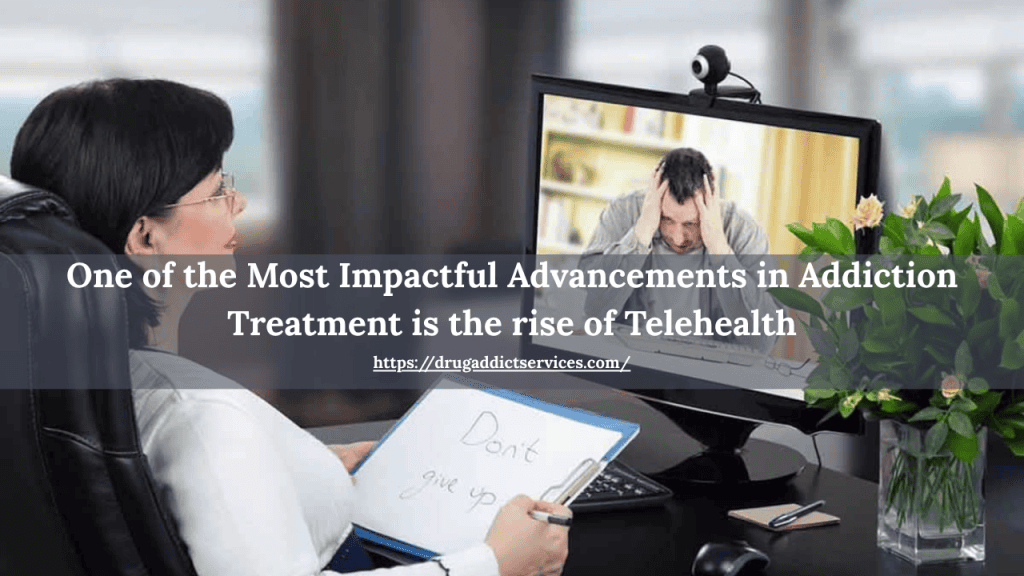
One of the most impactful advancements in addiction treatment is the rise of telehealth. Virtual therapy sessions allow individuals to access counseling from the comfort of their homes, reducing barriers such as transportation issues, stigma, or lack of nearby services. Through secure video calls and online platforms, patients can regularly check in with healthcare providers, attend group meetings, and participate in recovery coaching.

Telehealth has also expanded access to medication-assisted treatment (MAT), enabling doctors to prescribe and monitor medications like buprenorphine or naltrexone remotely. This flexibility supports continuous care and reduces the risk of relapse between appointments.

Recovery Apps and Digital Support Tools

Smartphones have become essential tools in recovery management. Dozens of apps are now available to help individuals track their sobriety, manage cravings, and stay connected to support networks. These apps often feature:

  • Daily check-ins and mood tracking
  • Mindfulness exercises and coping strategies
  • Peer support forums and online meetings
  • Emergency contact alerts for moments of crisis

By providing on-demand support, recovery apps empower individuals to take an active role in their healing process, even outside of therapy sessions.

Virtual Reality Therapy

Another groundbreaking development is the use of virtual reality (VR) in addiction treatment. VR can simulate real-life scenarios that trigger cravings or stress, allowing patients to practice coping strategies in a controlled environment. These simulations help individuals build resilience and learn how to handle risky situations before encountering them in the real world.

VR therapy also helps reduce anxiety, promote mindfulness, and encourage relaxation, making it a valuable supplement to traditional counseling.

Artificial Intelligence and Predictive Analytics

Artificial intelligence (AI) is playing a growing role in identifying patterns of behavior that may lead to relapse. By analyzing data from wearable devices, apps, or therapy sessions, AI can detect early warning signs of relapse, such as changes in sleep patterns, stress levels, or social withdrawal. This predictive technology enables healthcare providers to intervene early, offering support before a crisis occurs.

Personalized and Holistic Care

Technology is also enabling personalized treatment plans based on genetic testing, brain imaging, and behavioral data. This tailored approach helps determine the most effective therapies for each individual, increasing the chances of long-term success.

Conclusion

The future of addiction treatment is evolving rapidly, with technology opening new doors for support, monitoring, and intervention. From telehealth to VR therapy and AI-driven insights, these innovations are making recovery more accessible, adaptive, and effective. As technology continues to advance, it promises to break down barriers to care and offer new hope for individuals on the path to sobriety.

Relapse Prevention: Long-Term Strategies for Staying Drug-Free

Recovery from drug addiction is a life-changing achievement, but maintaining sobriety over the long term requires continuous effort and vigilance. Relapse—a return to substance use after a period of abstinence—is a common part of the recovery journey, but it doesn’t mean failure. With the right tools and support, individuals can minimize the risk of relapse and build a fulfilling, drug-free life. Relapse prevention is about planning ahead, recognizing warning signs, and committing to a lifestyle that supports lasting recovery.

Understanding Relapse

Relapse often happens in stages:

  • Emotional relapse: A person may not be thinking about using but begins to neglect self-care, isolate, or bottle up emotions.
  • Mental relapse: Cravings begin, and the person may fantasize about using, remembering the highs while ignoring the consequences.
  • Physical relapse: The actual use of the substance occurs.

Recognizing these stages early allows individuals to intervene before relapse becomes a reality.

Identify Triggers and High-Risk Situations

One of the most effective ways to prevent relapse is to identify personal triggers—people, places, emotions, or situations that increase the urge to use. Common triggers include:

  • Stress
  • Relationship conflicts
  • Social environments where substances are present
  • Boredom or loneliness

Keeping a journal or working with a therapist can help uncover these triggers and develop healthier responses to them.

Create a Relapse Prevention Plan

A relapse prevention plan is a proactive strategy that outlines what to do when cravings or high-risk situations arise. This plan may include:

  • A list of triggers and coping strategies
  • Emergency contacts to call when feeling vulnerable
  • Steps to take when experiencing a craving, such as going for a walk or practicing deep breathing

Having a written plan provides structure and clarity during challenging moments.

Build a Support System

Recovery thrives in a supportive environment. Surrounding yourself with people who encourage your sobriety—whether family, friends, sponsors, or support groups—can provide strength and accountability. Participating in recovery groups like Alcoholics Anonymous (AA) or Narcotics Anonymous (NA) offers a community of people who understand the struggles and victories of sobriety.

Practice Healthy Lifestyle Habits

Staying drug-free isn’t just about avoiding substances—it’s about creating a life worth staying clean for. Embrace habits that support physical, mental, and emotional well-being:

  • Exercise regularly to reduce stress and boost mood
  • Eat a balanced diet to support brain and body health
  • Get enough sleep to stay mentally and physically resilient
  • Engage in hobbies and meaningful activities to fill time positively

Seek Ongoing Counseling and Therapy

Addiction often has deep-rooted causes such as trauma, depression, or anxiety. Continued therapy helps address these issues and strengthen relapse prevention skills. Therapies like Cognitive Behavioral Therapy (CBT) and Mindfulness-Based Relapse Prevention (MBRP) are especially effective for long-term success.

Conclusion

Relapse prevention is an essential part of long-term recovery. By understanding triggers, creating a solid plan, maintaining a healthy lifestyle, and engaging in ongoing support and therapy, individuals can protect their sobriety and continue to grow in recovery. While setbacks may happen, each day drug-free is a victory—and with the right strategies, lasting recovery is possible.

The Future of Addiction Treatment: Emerging Therapies and Technologies


The Future of Addiction Treatment: Emerging Therapies and Technologies

Addiction continues to be a global health challenge, affecting millions of individuals and families. While traditional treatments such as counseling, medication-assisted therapy, and 12-step programs have saved countless lives, science and technology are driving exciting innovations that promise to transform the future of addiction care. From cutting-edge therapies to digital tools, these emerging approaches offer hope for more effective, personalized, and accessible recovery options.

Digital Health and Telemedicine

One of the most significant shifts in addiction treatment is the rise of telemedicine and digital health platforms. With the increasing use of smartphones and internet access, individuals can now receive therapy, medication management, and peer support from the comfort of their homes. Apps designed for addiction recovery offer features such as:

  • Daily check-ins
  • Craving tracking
  • Virtual support groups
  • Cognitive-behavioral exercises

These tools make treatment more flexible and reduce barriers such as transportation, stigma, or geographic isolation. Telehealth has proven especially valuable in rural communities and during crises like the COVID-19 pandemic.

Medication Innovations

Researchers are working to develop new medications that target the brain circuits involved in addiction more precisely. For example, scientists are exploring compounds that can:

  • Reduce cravings without the risk of dependence
  • Help repair brain damage caused by substance use
  • Block the euphoric effects of drugs more effectively

Long-acting injectable or implantable medications are also being tested to support individuals who struggle with daily pill adherence. These options could make relapse prevention easier and more consistent.

Neuromodulation Therapies

A particularly promising area of research is neuromodulation—the use of devices to directly influence brain activity. Techniques such as transcranial magnetic stimulation (TMS) and deep brain stimulation (DBS) are being studied for their ability to reduce cravings and treat co-occurring mental health disorders like depression and anxiety.

While still in early stages for addiction treatment, neuromodulation could offer relief for individuals who have not responded well to conventional therapies.

Personalized and Genetic-Based Treatment

The future of addiction recovery is moving toward personalized medicine. Advances in genetics and brain imaging are helping researchers understand why some people are more vulnerable to addiction than others. One day, individuals may receive treatment plans tailored to their unique genetic makeup, brain structure, and personal history. This could significantly improve outcomes by matching people with the therapies most likely to work for them.

Virtual Reality (VR) and Artificial Intelligence (AI)

Virtual reality is emerging as a tool for addiction therapy, providing realistic simulations that help individuals practice coping with triggers in a controlled environment. Meanwhile, artificial intelligence is being used to analyze patterns in behavior, predict relapse risk, and provide personalized recommendations for treatment adjustments.

Conclusion

The future of addiction treatment is filled with possibility. Through emerging therapies and technologies, care is becoming more precise, accessible, and holistic. As science continues to advance, individuals battling addiction will have more tools than ever to achieve lasting recovery and reclaim their lives. The next chapter in addiction care promises not just to treat the disease, but to transform how we understand and overcome it.

Faith-Based and Alternative Treatment Approaches for Drug Addiction

Recovery from drug addiction is a deeply personal journey, and there is no one-size-fits-all approach. While traditional methods such as medication-assisted treatment and behavioral therapy are highly effective, many individuals find hope and healing through faith-based and alternative treatment approaches. These methods focus on the spiritual, emotional, and holistic aspects of recovery, offering support that aligns with a person’s beliefs, values, and lifestyle.

Faith-Based Treatment: Healing Through Spirituality

Faith-based addiction programs are rooted in religious or spiritual beliefs, often incorporating teachings from specific faith traditions. These programs aim to treat not only the physical and psychological aspects of addiction but also the spiritual void that substance use can create.

A well-known example is the 12-Step Program, originally developed by Alcoholics Anonymous (AA). This model emphasizes surrendering to a higher power, making amends, and engaging in community support. Many faith-based rehab centers also include:

  • Prayer and meditation
  • Scripture study
  • Worship services
  • Pastoral counseling

The spiritual focus of faith-based treatment can provide individuals with a renewed sense of purpose, inner peace, and moral grounding. For those with a strong religious background, this approach can enhance motivation and provide a powerful source of strength during recovery.

Alternative Treatment Approaches: Holistic Healing

In addition to faith-based programs, many people explore alternative or holistic treatments for drug addiction. These methods focus on the mind-body connection and aim to promote overall well-being. They can be used as stand-alone support systems or integrated into traditional treatment plans.

Popular alternative treatments include:

  • Yoga and meditation: These practices help reduce stress, improve self-awareness, and promote emotional balance—crucial tools in managing cravings and preventing relapse.
  • Acupuncture: This traditional Chinese medicine technique has been used to reduce withdrawal symptoms and calm the nervous system.
  • Art and music therapy: Creative expression can help individuals process trauma, express emotions, and build self-esteem in non-verbal ways.
  • Nutritional therapy: A balanced diet plays a key role in restoring physical health and supporting brain function during recovery.
  • Equine therapy: Working with horses helps develop trust, responsibility, and emotional regulation, often aiding those with a history of trauma or emotional detachment.

These alternative therapies offer individuals a way to reconnect with themselves and their environment in meaningful, non-destructive ways. They also encourage a lifestyle that supports long-term health and sobriety.

Integrating Approaches for Lasting Recovery

One of the greatest strengths of today’s addiction treatment landscape is the ability to personalize care. Many rehab centers now offer integrated programs that combine medical treatment, evidence-based therapies, faith-based support, and holistic healing. This comprehensive approach allows individuals to choose what resonates with them and creates a recovery plan that addresses every aspect of their being—body, mind, and spirit.

Conclusion

Faith-based and alternative treatment approaches offer unique paths to sobriety for those seeking a more personalized or spiritually centered recovery journey. By embracing a person’s values, beliefs, and holistic needs, these methods can foster deeper healing, renewed purpose, and long-lasting change. For many, they provide not just a way out of addiction, but a new way of life.

Family Matters: How Loved Ones Can Support an Addict’s Recovery Journey

Addiction doesn’t just affect the person using drugs or alcohol—it touches every aspect of their life, including their relationships with family and friends. For individuals in recovery, having a strong support system can make a significant difference in their ability to achieve and maintain sobriety. While the journey to recovery is deeply personal, the role of loved ones is crucial and often transformative.

Understanding Addiction as a Disease

The first step in supporting someone through recovery is understanding that addiction is not a moral failing or a lack of willpower. It is a chronic, relapsing disease that changes brain chemistry and behavior. Recognizing this helps family members shift from blame to empathy, allowing for more constructive and compassionate support.

Education is key—learning about how addiction works, the recovery process, and the challenges involved can help families respond in informed and healthy ways. Numerous resources are available, including books, support groups, and professional counseling services designed for families of addicts.

Providing Emotional Support

Emotional support is one of the most powerful tools family members can offer. Recovery is often an emotional rollercoaster, and knowing that someone believes in them can encourage a person to keep going, especially during difficult moments.

Simple acts—such as listening without judgment, offering words of encouragement, or spending quality time together—can show someone in recovery that they are valued and not alone. Avoiding criticism, nagging, or guilt-tripping is equally important, as these behaviors can trigger shame and potentially lead to relapse.

Setting Healthy Boundaries

While support is vital, it’s also essential to set healthy boundaries. Enabling—such as covering up for bad behavior, providing financial support without accountability, or ignoring red flags—can prevent an individual from facing the full consequences of their actions and delay recovery.

Setting boundaries protects both the loved one and the family. This might mean refusing to provide money, insisting on participation in treatment, or seeking professional help if needed. Boundaries should be clear, consistent, and communicated with love, not anger.

Participating in the Recovery Process

Many treatment centers offer family counseling sessions or educational workshops. Participating in these opportunities can foster healing and rebuild trust that may have been damaged during active addiction. Family therapy can also address co-dependency, communication breakdowns, and unresolved trauma that may impact the recovery journey.

Additionally, joining support groups such as Al-Anon or Nar-Anon gives family members a safe space to share their experiences, receive guidance, and build resilience.

Encouraging a Healthy Lifestyle

Helping a loved one adopt a healthier lifestyle—such as promoting good nutrition, regular exercise, and meaningful hobbies—can reinforce their recovery efforts. Encouraging positive routines and celebrating milestones, like sobriety anniversaries, helps build a foundation for long-term success.

Conclusion

Recovery is a challenging path, but it becomes more manageable with the support of loved ones. By educating themselves, offering emotional encouragement, setting boundaries, and actively participating in the process, families can play a vital role in an addict’s journey toward healing and lasting sobriety. In the end, recovery is not just about the individual—it’s a family journey toward renewed hope and connection.