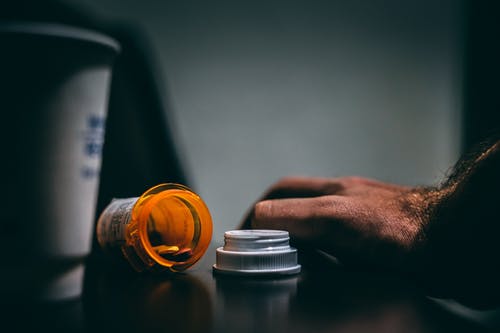
Signs that your teenager is abusing drugs

Raising teenagers can be difficult because they are in the period of their lives where they want to explore. Therefore, they are highly susceptible to engaging in unhealthy behaviors that can make them addicted.

It might be difficult for parents or caregivers to know if their teenagers are abusing drugs except if they are more intentional about paying close attention to them. You may not be able to tell outright if your teenager is using drugs or not, but you can watch out for some signs that could give them away.

Free Man in Orange Hoodie Wearing Eyeglasses Stock Photo

Here are some of the signs that your teenager may be abusing drugs

Physical changes

If your teenager is abusing drugs, here are some of the physical indicators to watch out for. They include bloodshot eyes, regular runny nose, swollen face, rapid weight loss or gain, sores on the mouth, and sweaty palms.

Other physical signs that may occur are red cheeks, fatigue, nosebleeds, dilated pupils, etc. When you observe these physical changes, it is best to swing into action to get help because they are not typical of a healthy individual.

Changes in Behavior

When your teenager is abusing drugs, you will notice a change in their behavior. They may start stealing money, or they may go broke fast because they are funding their drug abuse lifestyle.

You may also notice that they will become withdrawn, and try to avoid any form of social interaction. They will make excuses not to spend time with their family and friends.

Some of them may also miss school work, and their academic performance will be poor because they have stopped dedicating time to it. Addicted teenagers are also likely to stop engaging in their hobbies or interests because they want to spend more time taking drugs.

Mood changes

If you notice that your teenager has become quite irrational in their actions, or their mood changes dramatically, it might be a sign of drug abuse. They may become more violent with the people around them. In some cases, some of them may struggle with depression or anxiety, which will make them withdraw from people.


Preventing drug addiction among teenagers

It is very dangerous for teenagers to be addicted to drugs because their brain is still in the formative stage. Teenagers who use hard drugs are putting their physical and mental health at risk. The earlier they are stopped, the better it is for them.

Parents, guardians, and caregivers have a pivotal role to play when it comes to preventing drug addiction among teenagers.  

Here are some ways to prevent drug addiction among teenagers

  • Have honest conversations with them

It can be difficult to have honest and open conversations with teenagers because they don’t like to open up. Therefore, you need to use an approach that would make them feel comfortable with you.

If you are someone who resonates with the way teenagers think in this generation, it would be easy to make this happen.

  • Make them trust you

You can establish trust with your teenager, but you need to make them know that you will always have their backs against all odds. Hence, in difficult situations, they will find it easy to walk up to you and relay their feelings.

Thermometer on Medical Pills
  • Know their peers

When you know the kind of people your teenager moves with, you can easily know what your child is up to. If you are sure that the friends of your teenagers are sober and they come from homes where sobriety is encouraged, be sure that your teenager might not be abusing drugs.

  • Monitor your kids’ activities

While checking out what your teenager is up to, you need to be careful not to be caught snooping around. When your teenager discovers that you are always on their trail, they will be more careful of whatever they are doing.

You need to safely monitor your kids and let them know that you are looking out for their safety.

When you bond with your kid, it would be easy to know what they are up to and guide them in the right path.

Signs of drug addiction

Many people have a warped sense of the signs of an addicted individual. And this is because the media has created a false sense of identity of how addicts are supposed to look. Therefore, people keep looking out for fake signs where the real ones are staring them in the face.

In this piece, we will look at the clear signs of drug addiction

  • Physical symptoms

There are many signs of drug addiction that are easily visible in an addict. One of these signs is having red eyes and dilated pupils. If you observe this for a long time, addiction is in play. Another sign to pay attention to is the nature of the skin.

Some drug addicts can have flushed skins, which can be accompanied by frequent itching or other related issues. With these signs, you can have a clue on whether drug addiction is present or not. 

Woman Crying
  • Loss of interest in activities

Drug addicts usually experience a loss of interest in many things they are doing. This is because their brain’s reward system has been taken over by drug dependence. When drug addiction is in play, the addict depends on the drug to provide the euphoria that a healthy activity would normally provide.

If you notice that an individual is becoming too relaxed in something they were once passionate about, they could be addicted.

  • Private behavior

Have you noticed that someone who can stay around people does no longer fancy it? Such a person can be addicted and you can be accurate to an extent.

If you discover that the individual is afraid of staying around people because of stigma, then they might be addicted. This will make them withdraw from all relationships as they would prefer to remain on their own.  

  • Poor sleep habits

Drug addiction also comes with insomnia or somnolence, this means that the individual would not be able to maintain a healthy sleep pattern because of the influence of drugs.

Effects of drug addiction

Anyone can be addicted to drugs because it is not limited to race, age, background or any circumstance.

There are some people who became addicted to drugs because they wanted to use the drugs out of curiosity. Also, there are some who became addicted because of peer pressure.

When drug addiction is mentioned, a good number of people think of illegal drugs first. As a matter of fact, some people do not know that you can be addicted to legal drugs.

Being addicted to both illegal and legal drugs have a thing or two in common. One of which is the involvement of the brain’s reward system.

Now, when illegal drugs are taken, they trigger the reward system of the brain, and this is what births prompt intoxication. Hence, the individual would want to take more of the illegal drugs so that he can always feel high.

The same applies to legal drugs. There are some legal drugs that also trigger the reward system of the brain like opiates. On a normal day, opiates are meant to treat injuries particularly chronic ones, and they perform this function by providing great relief to the individual.

However, there are some individuals who continue using these legal drugs because of the pleasurable feelings they derive from it. This is when abuse sets in and with time, they become addicted.

There are various warning signs that tells you if someone is addicted. The reason why you need to be aware of these warning signs is because often times, people who are addicted try to downplay their addiction condition.

Few of the major physical warning signs are having bloodshot eyes, larger pupils; sudden weight gain or weight loss. In addition, unpleasant smell would ooze from the individual’s body.

For the behavioral signs of drug addiction, the individual develops a lackluster attitude to work or school. The individual might also go to the extent of stealing just to fund his addiction problem.

To wrap it up, the individual exhibits psychological warning signs like mood swings, hyperactivity or moodiness, anxiety, depression and a host of others.

It is imperative to seek help for drug addiction treatment from reputable rehab centers.  

Importance of counseling for drug addiction

In the treatment of drug addiction, one of the most important features that you cannot do without is the counseling feature. Substance addiction counselors provide a crucial support system for individuals who are addicted to both alcohol and drugs.

The counselor provides this support by forming a relationship that is hinged on trust with the addicted patients. Therefore, the counselor gives resources, support and prejudice-free guidance that patients will use on their road to recovery from addiction.

It is not easy for a drug addict to make the decision to quit addiction and this is why it involves much trust between counselors and patients. It is the responsibility of counselors to form a strong bond with their addicted patients, which is called therapeutic alliance.

With the therapeutic alliance, the patient is aided to feel free to discuss with their counselors. Together, both parties work together to achieve a common goal. When a patient feels safe to discuss with a counselor, it helps the entire drug addiction recovery journey to go smoothly.

Trust might take a while to develop, but provided the patient is ready to open up to the counselor, he or she should feel at home after few sessions.

In addition, the counselor encourages the patient’s recovery by motivating them to learn about their addiction problem. Once an individual has been able to spot their patterns of abuse and addiction, it becomes easier to be motivated to get better.

Currently, new measures are being set up to enhance motivation that will meet the exact needs of the patient.

Knowing fully well that there would be conflict between the individual and his/her loved ones, the counselor works hand to mend their rift. It is normal for an addict to be at loggerheads with his/her loved ones because addiction makes you do abnormal things.

Lastly, the counselor helps to develop a relapse prevention measure for the recovering drug addict. Addiction is a chronic disease which comes with a tendency for the recovering addict to relapse. However, with the help of the counselor in creating a relapse prevention plan, the chances are limited.