Faith, Healing, and Recovery: How Holistic Approaches Empower Lasting Change in Addiction Treatment

Addiction recovery is more than stopping substance use—it is a journey of healing the mind, body, and spirit. Holistic approaches that integrate faith, mental health support, and individualized care provide a comprehensive path to lasting change. By addressing the whole person, not just the addiction, these approaches empower individuals to build resilience, maintain sobriety, and embrace a renewed sense of purpose.

Understanding Holistic Addiction Treatment

Holistic addiction treatment recognizes that addiction affects multiple aspects of life. Physical health, emotional well-being, and spiritual connection all play a role in recovery. Programs that incorporate holistic methods alongside traditional therapies help individuals achieve balance and strengthen their long-term recovery.

Key Elements of Holistic Care

  • Mind-Body Practices: Yoga, meditation, and mindfulness improve emotional regulation and reduce stress.
  • Nutritional and Physical Wellness: Proper diet, exercise, and sleep support physical health and mental clarity.
  • Faith-Based Guidance: Spiritual counseling and faith-centered practices foster hope, purpose, and moral grounding.
  • Behavioral Therapy Integration: Cognitive behavioral therapy and other evidence-based approaches address underlying thought patterns and behaviors.

The Role of Faith in Recovery

Faith-based support is a cornerstone of many holistic programs. Spiritual guidance can provide a sense of meaning, community, and accountability that enhances the recovery process. For individuals seeking a higher purpose or moral framework, integrating faith into treatment strengthens emotional resilience and supports long-term sobriety.

Benefits of Faith-Based Approaches

  • Emotional Support: Provides hope and encouragement during difficult stages of recovery.
  • Community Connection: Engaging with a supportive faith community reduces isolation and builds accountability.
  • Purpose-Driven Healing: Encourages reflection, self-growth, and commitment to positive life changes.

Combining Holistic and Clinical Care

Holistic approaches are most effective when combined with clinical addiction treatment. Inpatient and outpatient programs offer structured therapy, medical supervision, and mental health support, which, when paired with holistic methods, create a well-rounded and effective recovery plan.

Practical Integration in Treatment Programs

  • Inpatient Care: Full-time, structured support that allows patients to immerse in therapy, spiritual guidance, and wellness practices.
  • Outpatient Care: Flexible programs that integrate counseling, holistic therapies, and faith-based support for individuals maintaining daily responsibilities.
  • Personalized Care Plans: Tailored approaches that meet the physical, emotional, and spiritual needs of each individual.

Supporting Long-Term Recovery

Holistic and faith-based approaches do not end when treatment ends. Incorporating ongoing spiritual practice, mindfulness, and wellness routines helps individuals manage stress, maintain sobriety, and prevent relapse. Peer support groups, therapy sessions, and community involvement reinforce accountability and personal growth.

Strategies for Sustained Wellness

  • Daily Mindfulness Practices: Meditation, journaling, and prayer help manage stress and promote emotional stability.
  • Physical Health Maintenance: Exercise, nutrition, and proper rest strengthen resilience.
  • Community and Spiritual Engagement: Connecting with supportive groups fosters ongoing encouragement and guidance.
  • Continued Therapy: Regular counseling sessions address evolving challenges and reinforce coping strategies.

Conclusion

Faith and holistic care are powerful tools in addiction recovery. By addressing the mind, body, and spirit, individuals gain the resources and resilience needed to maintain long-term sobriety and embrace meaningful life changes. Recovery is a journey that requires commitment, professional guidance, and compassionate support.

If you or a loved one is seeking comprehensive, faith-integrated, and holistic addiction treatment, reaching out to a professional recovery center can be the first step toward lasting change. Personalized care and compassionate support are available to help you reclaim your life.

Breaking Through Relapse: Practical Strategies and Support Systems That Help You Stay on Track

Relapse is a common part of the addiction recovery journey, but it does not signify failure. Many individuals experience setbacks, and the key to lasting recovery lies in understanding the triggers, developing practical strategies, and building a strong support system. With the right guidance, education, and compassionate care, relapse can become a learning experience rather than a roadblock, helping individuals strengthen their resilience and maintain long-term sobriety.

Understanding Relapse and Its Triggers

Relapse is often a result of unresolved underlying issues, stress, or exposure to high-risk situations. Recognizing the early warning signs and understanding personal triggers is essential for preventing a full return to substance use.

Common Triggers

  • Stress and Emotional Pressure: Daily challenges, work, or family conflicts can increase vulnerability.
  • Environmental Cues: Places, people, or routines associated with past substance use may prompt cravings.
  • Unmanaged Mental Health Conditions: Anxiety, depression, or trauma can lead to self-medicating behaviors.
  • Isolation: Lack of social support and accountability can make it difficult to maintain recovery.

Acknowledging triggers allows individuals to take proactive steps before cravings escalate into relapse.

Strategies to Prevent Relapse

Effective relapse prevention requires both practical tools and emotional resilience. A comprehensive approach combines behavioral techniques, professional guidance, and ongoing self-care.

Key Strategies

  • Develop a Relapse Prevention Plan: Identify triggers, outline coping mechanisms, and create a step-by-step response plan.
  • Engage in Therapy: Individual and group counseling provides insight into behaviors and reinforces healthy coping strategies.
  • Use Mindfulness and Stress Management: Practices such as meditation, yoga, and deep breathing help manage cravings and emotional responses.
  • Maintain Healthy Routines: Exercise, balanced nutrition, and adequate sleep support physical and mental stability.
  • Set Realistic Goals: Breaking recovery into small, achievable milestones reinforces progress and motivation.

Building a Support System

Support from family, friends, peers, and professionals is critical in sustaining recovery. Integrated care models that include counseling, group therapy, and holistic approaches strengthen accountability and provide guidance during challenging moments.

Elements of a Strong Support System

  • Peer Support Groups: Sharing experiences with others in recovery reduces isolation and encourages mutual encouragement.
  • Family Involvement: Educating and engaging loved ones fosters understanding, reduces conflict, and strengthens motivation.
  • Professional Guidance: Therapists, counselors, and medical staff provide evidence-based interventions and continuous monitoring.
  • Holistic and Faith-Based Support: Incorporating spiritual guidance, meditation, and wellness practices nurtures the mind, body, and spirit.

The Role of Inpatient and Outpatient Programs

Relapse prevention is supported by structured treatment programs. Inpatient care offers an immersive, closely monitored environment, ideal for those with severe addiction or complex needs. Outpatient programs provide flexibility for individuals who require support while balancing daily responsibilities. Both approaches can be tailored to include mental health treatment, counseling, and holistic therapies to maximize long-term success.

Conclusion

Relapse does not define your recovery; it is an opportunity to strengthen your strategies, learn about personal triggers, and reinforce supportive habits. By combining practical prevention techniques, professional guidance, and a strong network of peers and loved ones, lasting sobriety becomes achievable.

If you or a loved one is struggling with addiction or experiencing setbacks, compassionate, individualized support is available. Contact a professional treatment center today to explore personalized recovery services and take the next step toward long-term wellness.

How Mental Health Support Strengthens Addiction Recovery: A Compassionate Look at Integrated Care

Addiction rarely exists in isolation. Many individuals struggling with substance use also face co-occurring mental health challenges such as anxiety, depression, or trauma. Ignoring these underlying issues can make recovery more difficult and increase the risk of relapse. Integrating mental health support into addiction treatment provides a comprehensive approach that addresses both the psychological and physical aspects of recovery, offering a stronger foundation for lasting wellness.

Understanding the Link Between Mental Health and Addiction

Substance use and mental health disorders are often interconnected. Individuals may use drugs or alcohol to self-medicate symptoms of anxiety, depression, or post-traumatic stress. Over time, substance use can exacerbate mental health conditions, creating a cycle that is challenging to break. Recognizing this link is crucial for developing an effective recovery plan.

Common Co-Occurring Disorders

  • Depression: Persistent sadness or loss of interest can lead to substance use as a coping mechanism.
  • Anxiety Disorders: High stress or panic episodes may trigger self-medication with alcohol or drugs.
  • Post-Traumatic Stress Disorder (PTSD): Trauma survivors may use substances to numb emotional pain.
  • Bipolar Disorder: Mood swings can increase the likelihood of substance misuse during manic or depressive episodes.

Integrated care addresses these co-occurring disorders simultaneously, increasing the chances of a successful recovery.

The Role of Mental Health Support in Recovery

Mental health support strengthens addiction recovery by helping individuals identify triggers, develop coping strategies, and manage emotional challenges. Therapy, counseling, and psychiatric care work together to provide personalized guidance and support.

Key Components of Integrated Mental Health Care

  • Individual Counseling: Helps patients explore personal challenges, identify triggers, and develop strategies for lasting change.
  • Group Therapy: Provides community support, shared experiences, and accountability among peers.
  • Medication Management: Addresses symptoms of co-occurring mental health disorders to improve focus and emotional stability.
  • Holistic and Faith-Based Practices: Incorporates mindfulness, meditation, yoga, and spiritual guidance to promote overall well-being.

Inpatient and Outpatient Options for Integrated Care

Integrated mental health support can be delivered in both inpatient and outpatient settings, depending on the individual’s needs.

Inpatient Programs

Inpatient treatment offers a structured environment with 24-hour supervision. It is ideal for individuals with severe addiction or unstable mental health conditions. Intensive therapy, medical monitoring, and holistic approaches help stabilize both mental health and substance use symptoms.

Outpatient Programs

Outpatient treatment provides flexibility for those with mild to moderate addiction or a strong support system at home. Regular therapy sessions, support groups, and ongoing mental health counseling allow individuals to apply recovery strategies in real-life situations while maintaining daily responsibilities.

Benefits of Integrated Care for Long-Term Recovery

  • Reduces Relapse Risk: Treating both addiction and mental health conditions simultaneously addresses underlying causes of relapse.
  • Improves Emotional Resilience: Therapy and holistic support strengthen coping skills and stress management.
  • Supports Whole-Person Healing: Integrated care addresses physical, emotional, and spiritual needs for a more balanced recovery.
  • Personalized Approach: Treatment plans are tailored to each individual’s unique circumstances, challenges, and goals.

Conclusion

Incorporating mental health support into addiction recovery is not optional; it is essential for lasting success. Integrated care addresses the full spectrum of challenges individuals face, combining therapy, counseling, medical support, and holistic approaches to promote long-term wellness. Recovery is a journey that requires compassion, guidance, and professional care.

If you or a loved one is struggling with addiction and co-occurring mental health challenges, reaching out to a treatment center that offers integrated, client-centered care can be the first step toward lasting recovery. Professional support is available, and taking that first step can transform your life.

Understanding the Full Spectrum of Addiction Recovery: What Treatment Options Work Best and Why

Addiction recovery is a journey that looks different for every individual. There is no single approach that fits all, which is why understanding the full spectrum of treatment options is critical. From medical detox and inpatient care to outpatient therapy and holistic or faith-based programs, each option plays a unique role in helping individuals regain control of their lives. Choosing the right treatment path can be the difference between temporary relief and lasting recovery.

Medical Detox: The First Step Toward Stability

For many individuals, recovery begins with medical detox. This process helps the body safely remove addictive substances while minimizing withdrawal symptoms. Professional supervision ensures safety and comfort during this critical stage.

Benefits of Medical Detox

  • Managed Withdrawal Symptoms: Reduces physical discomfort and health risks associated with substance withdrawal.
  • Medical Support: Provides access to healthcare professionals who monitor progress and address complications.
  • Preparation for Therapy: Clears the body so individuals can fully engage in counseling and behavioral treatment.

Inpatient Treatment: Intensive, Structured Support

Inpatient, or residential, treatment programs offer a structured environment where individuals live at the facility while receiving comprehensive care. This option is ideal for those with severe addiction, co-occurring mental health disorders, or a history of relapse.

Key Advantages of Inpatient Programs

  • 24/7 Supervision: Continuous support from medical and mental health professionals.
  • Structured Schedule: Daily therapy sessions, group activities, and wellness programs foster recovery habits.
  • Holistic and Faith-Based Approaches: Incorporates mindfulness, spiritual guidance, and wellness practices to support the whole person.

Outpatient Treatment: Flexible Support for Daily Life

Outpatient programs provide therapy, counseling, and support while allowing individuals to live at home. This approach is best suited for those with mild to moderate addiction, a supportive home environment, or individuals transitioning from inpatient care.

Advantages of Outpatient Programs

  • Flexibility: Allows participation in treatment while maintaining work, school, or family responsibilities.
  • Ongoing Support: Regular therapy sessions help reinforce coping strategies and prevent relapse.
  • Community Integration: Encourages the practical application of recovery tools in everyday life.

Integrated Mental Health and Holistic Care

Effective recovery programs recognize that addiction is not only a physical issue but also a mental and emotional challenge. Integrated treatment addresses co-occurring mental health disorders, providing counseling, behavioral therapy, and psychiatric support. Holistic approaches, including yoga, meditation, and faith-based practices, further strengthen emotional resilience and spiritual well-being.

Benefits of Integrated Care

  • Addresses Root Causes: Tackles both substance use and underlying mental health conditions.
  • Enhances Long-Term Recovery: Supports emotional balance and relapse prevention.
  • Personalized Approach: Treatment plans are tailored to individual needs, values, and recovery goals.

Conclusion

The full spectrum of addiction recovery services provides multiple pathways to healing, ensuring each individual receives care suited to their unique needs. From medical detox and inpatient or outpatient programs to integrated mental health support and holistic therapies, every step plays a vital role in long-term sobriety. Recovery is a journey that requires commitment, guidance, and compassionate care, but lasting transformation is possible with the right approach.

If you or a loved one is struggling with addiction, taking the first step toward professional support can change your life. Contact a treatment center today to explore personalized recovery options and begin the journey toward lasting wellness.

Step by Step Through Addiction Recovery Services: From First Intervention to Long‑Term Renewal

Deciding to seek help for substance use is a life-changing step. Recovery is not a single event but a journey that involves multiple stages of care, each designed to support healing, build resilience, and foster long-term sobriety. Understanding the steps involved in addiction recovery services can make the process less overwhelming and empower individuals and families to make informed decisions about treatment options.

Stage One: Intervention and Assessment

The recovery journey often begins with an intervention or professional assessment. Interventions can help loved ones express concern and motivate the individual to seek help. Professional assessments by licensed counselors or medical staff evaluate the severity of addiction, identify co-occurring mental health conditions, and determine the most appropriate treatment plan.

Key Elements of Assessment

  • Substance Use Evaluation: Identifying the types, frequency, and history of substance use.
  • Mental Health Screening: Detecting anxiety, depression, trauma, or other co-occurring disorders.
  • Physical Health Check: Ensuring the individual is medically stable and addressing any urgent health concerns.

A thorough assessment provides the foundation for a treatment plan that is safe, effective, and tailored to the individual’s unique needs.

Stage Two: Detox and Stabilization

For many, the next step is medical detox. Detox helps the body safely eliminate addictive substances while managing withdrawal symptoms under professional supervision. Medical monitoring ensures safety and comfort during this critical phase.

Benefits of Professional Detox

  • Reduces Risk of Complications: Withdrawal from drugs or alcohol can be physically dangerous without medical support.
  • Provides Immediate Support: Patients receive emotional and psychological care to reduce anxiety and stress during detox.
  • Prepares for Next Steps: Detox clears the way for therapy and long-term treatment, allowing individuals to engage fully in recovery.

Stage Three: Inpatient and Outpatient Treatment

Once detox is complete, treatment may continue in inpatient or outpatient programs, depending on the individual’s needs.

Inpatient Care

Inpatient programs provide a structured environment with 24-hour supervision. They offer intensive therapy, group counseling, and holistic approaches, including faith-based or spiritual support, to address addiction comprehensively.

Outpatient Care

Outpatient programs allow individuals to live at home while attending scheduled therapy and support sessions. Outpatient care is suitable for those with strong support systems or transitioning from inpatient treatment.

Core Components of Therapy

  • Individual Counseling: Addresses personal challenges, coping strategies, and behavioral changes.
  • Group Therapy: Fosters community, peer support, and shared learning.
  • Holistic and Faith-Based Approaches: Incorporates mindfulness, yoga, and spiritual guidance to support the mind, body, and spirit.

Stage Four: Aftercare and Long-Term Renewal

Recovery does not end with initial treatment. Aftercare programs provide ongoing support, relapse prevention strategies, and mental health maintenance. Regular check-ins, support groups, and counseling help individuals navigate challenges while reinforcing long-term sobriety.

Tips for Sustaining Recovery

  • Maintain a Support Network: Family, friends, and peers provide accountability and encouragement.
  • Engage in Ongoing Therapy: Continued counseling helps address evolving challenges.
  • Develop Healthy Routines: Exercise, nutrition, and mindfulness practices strengthen resilience.
  • Stay Connected to Holistic Practices: Faith-based and holistic therapies support emotional and spiritual well-being.

Conclusion

Addiction recovery is a journey that requires compassion, commitment, and professional guidance. From intervention to long-term renewal, each step in the recovery process plays a critical role in healing the mind, body, and spirit. Choosing a treatment program that offers individualized care, mental health support, and holistic approaches increases the likelihood of lasting success.

If you or a loved one is struggling with substance use, taking the first step toward professional help can change your life. Contact a compassionate treatment center today to explore personalized recovery services designed to support lasting wellness and renewal.

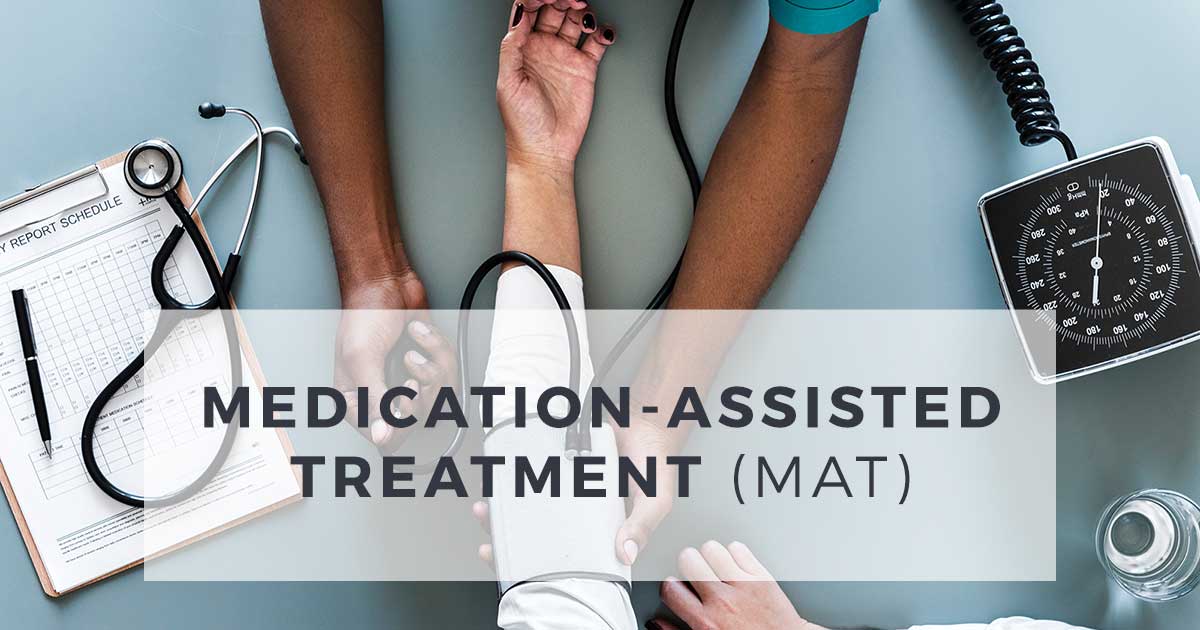
Medication‑Assisted Treatment Explained: How Science Helps Prevent Relapse and Support Recovery

Recovering from substance use disorder is a complex journey that requires a combination of strategies, support, and medical guidance. One approach that has shown significant success in preventing relapse and supporting long-term recovery is medication-assisted treatment, or MAT. By combining evidence-based medications with counseling and behavioral therapy, MAT addresses both the physical and psychological aspects of addiction, offering a comprehensive path toward healing.

What Is Medication‑Assisted Treatment?

Medication-assisted treatment is a medically supervised approach that uses FDA-approved medications to reduce cravings, manage withdrawal symptoms, and support recovery from substance use disorders. MAT is not a standalone solution; it is most effective when integrated with therapy, counseling, and holistic support.

Common Medications Used in MAT

  • Methadone: Helps reduce opioid cravings and withdrawal symptoms while stabilizing brain chemistry.
  • Buprenorphine: Provides a safer alternative to methadone with lower risk of overdose, helping patients gradually regain control over their recovery.
  • Naltrexone: Blocks the effects of opioids and alcohol, reducing the risk of relapse and supporting abstinence.
  • Acamprosate: Helps individuals maintain sobriety by stabilizing brain chemistry affected by alcohol use.

Each medication is carefully prescribed based on the individual’s needs, addiction history, and co-occurring mental health conditions.

How MAT Supports Recovery

Medication-assisted treatment works by addressing both the biological and behavioral components of addiction. Substance use disorders alter brain chemistry, making relapse more likely without proper intervention. MAT medications help restore balance in the brain while reducing cravings and withdrawal discomfort, giving individuals a greater chance of long-term success.

Benefits of MAT

  • Reduced Risk of Relapse: MAT stabilizes the brain and reduces intense cravings that often lead to relapse.
  • Improved Engagement in Therapy: When withdrawal symptoms are managed, individuals can focus more effectively on counseling, therapy, and recovery activities.
  • Enhanced Quality of Life: MAT allows individuals to function better in daily life, maintain employment, and repair relationships while in treatment.
  • Safe and Evidence-Based: MAT is supported by decades of research demonstrating its effectiveness for opioid and alcohol use disorders.

Integrating MAT With Holistic and Personalized Care

At centers like Drug Addict Services, medication-assisted treatment is combined with individualized care plans that may include inpatient or outpatient programs, mental health therapy, faith-based guidance, and holistic approaches. This ensures that recovery addresses the whole person—mind, body, and spirit.

Practical Tips for Success With MAT

  1. Follow a Personalized Treatment Plan: Adhering to the prescribed medication schedule and attending therapy sessions improves outcomes.
  2. Engage in Counseling and Support Groups: Behavioral therapy and peer support complement MAT and reinforce healthy coping strategies.
  3. Monitor Mental Health: MAT works best when co-occurring mental health conditions are treated alongside addiction.
  4. Communicate With Your Care Team: Regular check-ins with doctors, counselors, and support staff help adjust treatment as needed for optimal results.

Conclusion

Medication-assisted treatment is a scientifically proven approach that supports recovery by addressing both the physical and psychological aspects of addiction. When combined with counseling, holistic therapies, and individualized care, MAT offers hope, stability, and a stronger chance of lasting sobriety.

If you or a loved one is struggling with substance use, reaching out to a professional treatment center can be the first step toward recovery. Compassionate, evidence-based care is available, and taking that first step could transform your life.

When Mental Health and Substance Use Intersect: Dual‑Diagnosis Treatment Insights That Work

Living with both a mental health disorder and substance use disorder can be overwhelming. These conditions often reinforce each other, making recovery more challenging without the right support. Understanding dual-diagnosis treatment is essential for anyone struggling with co-occurring disorders. With compassionate, professional care that addresses both mental health and addiction, lasting recovery is possible.

What Is Dual-Diagnosis?

Dual-diagnosis refers to the simultaneous presence of a mental health disorder and a substance use disorder. Common co-occurring conditions include depression, anxiety, bipolar disorder, and post-traumatic stress disorder combined with alcohol or drug addiction.

When mental health challenges and substance use intersect, each condition can intensify the other. For example, someone with anxiety may turn to alcohol or drugs to cope, while substance use can worsen mood swings or depressive symptoms. This cycle can make it difficult to achieve recovery without an integrated treatment approach.

Why Integrated Care Matters

Traditional treatment that addresses only one condition often falls short for individuals with dual-diagnosis. Integrated care provides simultaneous treatment for both substance use and mental health disorders, improving outcomes and reducing the risk of relapse.

Key Benefits of Integrated Dual-Diagnosis Treatment

  • Comprehensive Assessment: Licensed professionals evaluate both mental health and substance use symptoms to develop a personalized treatment plan.
  • Coordinated Therapies: Therapy sessions address triggers, coping strategies, and emotional regulation for both conditions.
  • Medical Support: Medication management can help stabilize mental health symptoms while supporting addiction recovery.
  • Holistic Approaches: Faith-based and holistic therapies, such as mindfulness, yoga, and group support, reinforce emotional and spiritual healing.

Inpatient vs Outpatient Dual-Diagnosis Programs

Dual-diagnosis treatment can be offered in both inpatient and outpatient settings.

Inpatient Programs

Inpatient treatment provides 24-hour supervision in a structured environment. It is ideal for individuals with severe addiction, unstable mental health symptoms, or limited support systems. Residents receive intensive therapy, medical monitoring, and access to specialized mental health professionals.

Outpatient Programs

Outpatient treatment allows individuals to live at home while attending therapy sessions and support groups. This flexible approach suits those with mild to moderate addiction or stable mental health symptoms. Outpatient care helps participants apply coping strategies in real-life situations while maintaining ongoing support.

Practical Steps for Those Seeking Dual-Diagnosis Treatment

  1. Recognize the Signs: Persistent mood changes, sleep disturbances, or intense cravings may indicate co-occurring disorders.
  2. Seek a Comprehensive Assessment: A licensed professional can evaluate both mental health and substance use needs.
  3. Choose a Personalized Treatment Program: Look for programs that offer individualized care plans integrating therapy, medication, and holistic support.
  4. Build a Support Network: Family, friends, and peer support groups can play a critical role in long-term recovery.
  5. Commit to Ongoing Care: Dual-diagnosis recovery often requires continued therapy, relapse prevention strategies, and mental health management.

Conclusion

Recovery from dual-diagnosis is challenging but achievable with the right approach. By addressing both mental health and substance use together, integrated treatment provides the best chance for lasting healing. Compassionate, client-centered care that combines medical support, therapy, and holistic strategies empowers individuals to reclaim their lives.

If you or a loved one is struggling with co-occurring disorders, reach out to a professional treatment center today. Personalized, comprehensive care is available, and taking the first step toward recovery can change your life.

Navigating the Road to Recovery: A Comprehensive Guide to Evidence-Based Treatment for Drug Addicts

Entering the world of addiction recovery can often feel like stepping into a dense, confusing fog. For individuals and families facing the harsh reality of substance use disorders, the sheer volume of information regarding drug addict services can be overwhelming. However, understanding that addiction is a treatable chronic disease rather than a moral failing is the first essential step toward clarity. At our center, we provide a structured and compassionate environment where professional treatment for drug addicts is tailored to the specific needs of the individual. By combining clinical excellence with a deep understanding of the human spirit, we offer a roadmap that leads away from the chaos of active use and toward a life of stability, health, and renewed purpose.

The Foundation of Effective Treatment for Drug Addicts

Effective recovery is built on much more than just the cessation of drug use. It requires a fundamental shift in how a person manages their emotions, their physical health, and their social interactions. Because every journey is unique, our services are grounded in evidence based practices that address the complexities of the brain under the influence of chemicals.

When we discuss professional drug addict services, we are referring to a continuum of care that starts with stabilization and moves through various stages of therapeutic intervention. The goal is to provide a safety net that remains in place as the individual gains the psychological and physical skills necessary to navigate life without substances.

Integrating Inpatient and Outpatient Care Models

One of the most important decisions a family or individual will make is choosing the appropriate level of care. We offer both inpatient and outpatient services to ensure that every client receives the intensity of support they require at different stages of their recovery process.

The Intensity of Inpatient Care

Inpatient treatment for drug addicts offers a highly structured environment that is free from the triggers and stressors of the outside world. This level of care is often essential during the early stages of recovery, particularly during the detoxification phase. It allows for 24 hour medical and psychological supervision, ensuring that the client is safe and supported as their body begins to heal from the toxins of addiction. In this immersive setting, individuals can focus entirely on their recovery, participating in intensive therapy and building a foundation for long term change.

The Flexibility of Outpatient Services

As individuals gain physical and emotional stability, outpatient care provides a vital bridge back to daily life. This model allows clients to live at home while continuing to receive high level clinical support. Outpatient drug addict services include individual counseling, group therapy, and relapse prevention education. This flexibility is vital for those who are ready to begin reintegrating into their careers and families while maintaining a strong, consistent connection to their recovery community.

A Holistic and Individualized Approach to Healing

We believe that true restoration involves more than just clinical therapy. To achieve lasting success, we must treat the whole person. Our individualized care plans take into account the unique history, personality, and specific goals of every client.

Mental Health and Dual Diagnosis

It is very common for addiction to be accompanied by underlying mental health issues such as depression, anxiety, or unresolved trauma. Our professional team specializes in dual diagnosis treatment, which addresses both the addiction and the mental health disorder simultaneously.

By treating the root causes of the substance use rather than just the behavior, we provide a more robust and sustainable path to wellness. Addressing these concurrent issues ensures that the individual has the emotional tools necessary to prevent a return to use when faced with life’s inevitable challenges.

Faith Based Strength and Spiritual Renewal

For many, spiritual grounding is the missing piece in the recovery puzzle. We offer faith based approaches that encourage clients to find strength in a higher power and rediscover their sense of purpose. When clinical mental health treatment is combined with spiritual renewal, the result is a powerful transformation that reaches into every corner of a person’s life. This holistic approach ensures that the spirit is healed alongside the body and mind.

Practical Insights for Sustainable Recovery

The road to recovery is a lifelong journey that requires ongoing commitment and the application of practical tools. Strategies for long term success include:

  • Developing healthy coping mechanisms for stress management that do not involve substances.
  • Building a sober support network through peer groups and community engagement.
  • Prioritizing physical health through proper nutrition and regular exercise.
  • Engaging in ongoing therapy to address evolving life challenges and personal growth.

Take the Next Step Toward Your New Life

If you or a loved one is struggling, please know that help is available and recovery is absolutely possible. You do not have to navigate this difficult road alone. At our center, we are dedicated to providing the compassionate, professional, and client centered drug addict services you need to reclaim your life.

We invite you to reach out to us today to learn more about our comprehensive treatment for drug addicts. Whether you are seeking inpatient stabilization or long term outpatient support, our team is ready to walk with you every step of the way. Your journey toward a healthier, brighter future begins with the courage to ask for help. Contact us now and let us help you find the way back to the person you were truly meant to be.

Would you like me to help you create a personalized checklist for evaluating which level of care is right for your specific situation?

How to Choose Between Inpatient and Outpatient Drug Addiction Treatment: A Compassionate Guide

Deciding to seek help for drug addiction is a brave and life-changing step. Once that decision is made, one of the next important choices is whether to pursue inpatient or outpatient treatment. Both approaches provide effective support, but each is designed for different needs and circumstances. Understanding the differences and how they align with your personal recovery goals can make the process less overwhelming and set the stage for lasting healing.

Understanding Inpatient Drug Addiction Treatment

Inpatient treatment, also known as residential care, involves living at a treatment facility for a period of time. This structured environment provides 24-hour supervision, medical support, and intensive therapy. Inpatient programs are ideal for individuals with severe addiction, co-occurring mental health disorders, or a history of relapse.

Key Benefits of Inpatient Care

  • Constant Support: Residents receive around-the-clock supervision and access to medical and mental health professionals.
  • Structured Environment: Daily routines, therapy sessions, and activities help reinforce healthy habits and reduce triggers.
  • Immersion in Recovery: Being fully immersed in a community of peers focused on healing promotes accountability and motivation.
  • Access to Specialized Therapies: Inpatient programs often provide evidence-based treatments such as cognitive behavioral therapy, holistic therapies, and faith-based support.

Who Should Consider Inpatient Treatment

Inpatient care is recommended for those experiencing severe addiction, frequent relapses, or unmanaged mental health issues. It also benefits individuals who lack a supportive home environment or need intensive guidance to maintain sobriety.

Understanding Outpatient Drug Addiction Treatment

Outpatient treatment allows individuals to live at home while attending therapy sessions and treatment programs during the day or evening. This approach offers flexibility for those who have work, family, or other responsibilities. Outpatient programs are suitable for individuals with mild to moderate addiction or as a step-down from inpatient care.

Key Benefits of Outpatient Care

  • Flexibility: Participants can maintain daily responsibilities while receiving treatment.
  • Ongoing Support: Regular therapy sessions, support groups, and counseling help maintain accountability.
  • Community Integration: Outpatient care allows individuals to apply recovery strategies in their real-life environment.
  • Cost-Effective: Typically, outpatient programs are less expensive than residential care while still providing professional guidance.

Who Should Consider Outpatient Treatment

Outpatient treatment is ideal for individuals with a stable home environment, strong support system, and lower risk of severe withdrawal symptoms. It is also effective for those transitioning from inpatient care or continuing long-term recovery efforts.

Making the Right Choice for You

Choosing between inpatient and outpatient treatment involves evaluating your personal circumstances, addiction severity, mental health needs, and support system. Here are some steps to guide your decision:

  1. Assess Addiction Severity: Severe or long-term addiction often requires the intensive support of inpatient care.
  2. Consider Mental Health Needs: Individuals with co-occurring disorders may benefit from the structured therapies available in inpatient programs.
  3. Evaluate Support System: A strong network of family or friends can make outpatient treatment more effective.
  4. Plan for Lifestyle Factors: Work, school, and personal responsibilities can influence your ability to commit to inpatient or outpatient schedules.
  5. Consult Professionals: A licensed addiction counselor or physician can help create a personalized treatment plan that fits your needs.

Conclusion

Both inpatient and outpatient drug addiction treatments offer valuable pathways to recovery. The right choice depends on your unique situation, the severity of your addiction, and your long-term goals. Remember, seeking help is not a sign of weakness; it is a courageous step toward reclaiming your life.

If you or a loved one is struggling with drug addiction, reach out to a professional treatment center today. Compassionate, individualized care is available, and the journey to recovery begins with the first step.

Breaking Through Stigma: Why Early Addiction Treatment Changes Lives

Addiction continues to carry a heavy social stigma, often discouraging individuals from seeking the help they need. Unfortunately, delaying treatment can make recovery more difficult and increase the risk of long-term health complications, mental health struggles, and strained relationships. Early intervention is not only life-saving but also life-changing. At Drug Addict Services, we provide compassionate, individualized care that encourages clients to seek help as soon as they recognize a problem, integrating mental health treatment, inpatient and outpatient care, and holistic and faith-based approaches for a full spectrum of healing.


Understanding the Impact of Stigma on Addiction

Stigma surrounding addiction can prevent individuals from admitting they have a problem or seeking treatment. Misconceptions often portray substance use as a moral failing rather than a complex health condition. This societal judgment can lead to shame, isolation, and a cycle of continued substance use.

The Hidden Cost of Delayed Treatment

When stigma prevents early intervention, the consequences can be severe:

  • Worsening physical and mental health
  • Increased difficulty in overcoming addiction
  • Strained or broken personal relationships
  • Greater risk of relapse after eventual treatment

By addressing stigma and encouraging early treatment, individuals have a better chance of achieving lasting recovery and rebuilding their lives.


The Benefits of Early Intervention in Addiction Recovery

Early treatment allows for more effective and comprehensive care. When addressed promptly, addiction can be treated before patterns become deeply ingrained and before severe physical or mental health issues develop.

Personalized Care for Better Outcomes

At Drug Addict Services, early intervention enables the creation of tailored recovery plans, which may include:

  • Inpatient care for structured, 24-hour support and detox supervision
  • Outpatient care for flexibility while maintaining daily responsibilities
  • Holistic therapies such as nutrition counseling, mindfulness, and exercise
  • Faith-based support for emotional and spiritual guidance

These programs are designed to address the whole person, improving the chances of long-term recovery.

Reducing Relapse Risks

Early treatment also reduces the likelihood of relapse by providing clients with tools and coping strategies before unhealthy habits become deeply entrenched. Clients learn how to manage triggers, stress, and emotional challenges in real-time, creating a strong foundation for sustained sobriety.


Encouraging Families and Communities to Support Early Treatment

Families and communities play a crucial role in breaking the stigma surrounding addiction. Open communication, education, and supportive intervention can motivate individuals to seek help sooner.

How Loved Ones Can Make a Difference

  • Engage in compassionate, non-judgmental dialogue
  • Educate themselves about addiction as a medical and mental health condition
  • Participate in family therapy and support sessions
  • Advocate for early access to treatment services

At Drug Addict Services, family involvement is an essential part of the recovery process, helping clients feel understood, supported, and motivated.


The Transformative Power of Early Recovery

Seeking treatment early transforms lives. Individuals can regain physical health, emotional stability, and meaningful relationships. Holistic and faith-based elements of care further strengthen resilience, self-awareness, and life purpose. The sooner someone accesses help, the more opportunities they have to heal fully and embrace a fulfilling, sober life.


Taking the First Step Toward Recovery

Breaking through stigma starts with action. Early treatment can prevent years of struggle and set the stage for lasting change. At Drug Addict Services, we combine compassionate care, personalized recovery plans, and comprehensive mental health support to guide individuals toward a new beginning.

If you or a loved one is facing addiction, reaching out today can change the course of your life. Contact Drug Addict Services to start the journey to recovery, hope, and renewal.