
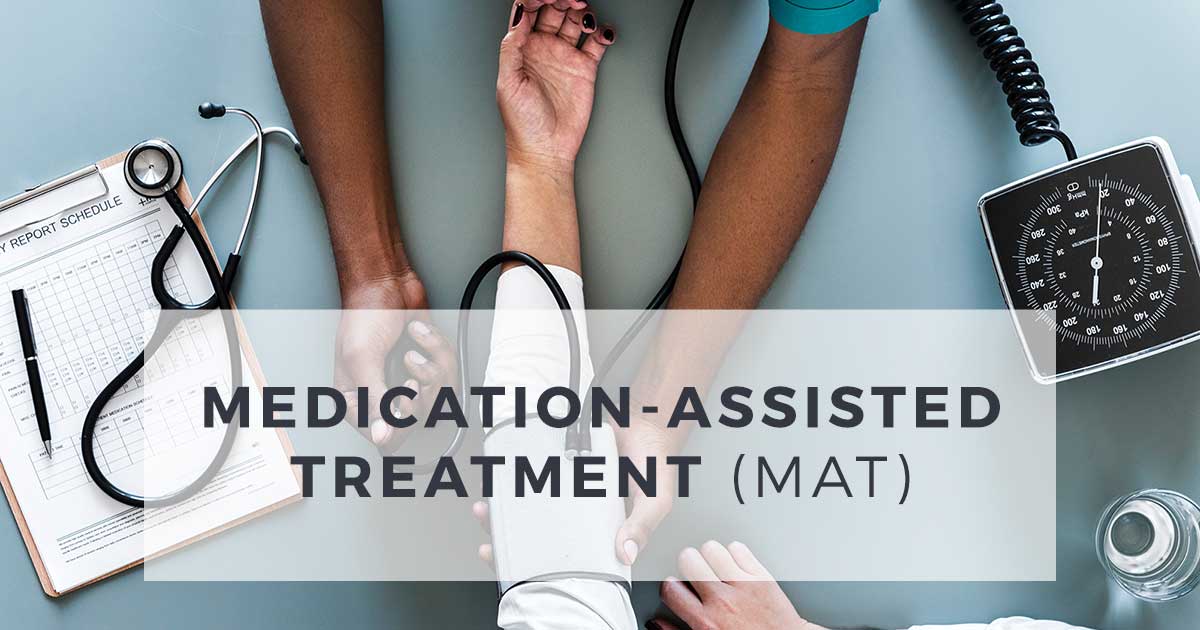
Recovering from substance use disorder is a complex journey that requires a combination of strategies, support, and medical guidance. One approach that has shown significant success in preventing relapse and supporting long-term recovery is medication-assisted treatment, or MAT. By combining evidence-based medications with counseling and behavioral therapy, MAT addresses both the physical and psychological aspects of addiction, offering a comprehensive path toward healing.
What Is Medication‑Assisted Treatment?
Medication-assisted treatment is a medically supervised approach that uses FDA-approved medications to reduce cravings, manage withdrawal symptoms, and support recovery from substance use disorders. MAT is not a standalone solution; it is most effective when integrated with therapy, counseling, and holistic support.
Common Medications Used in MAT
- Methadone: Helps reduce opioid cravings and withdrawal symptoms while stabilizing brain chemistry.
- Buprenorphine: Provides a safer alternative to methadone with lower risk of overdose, helping patients gradually regain control over their recovery.
- Naltrexone: Blocks the effects of opioids and alcohol, reducing the risk of relapse and supporting abstinence.
- Acamprosate: Helps individuals maintain sobriety by stabilizing brain chemistry affected by alcohol use.
Each medication is carefully prescribed based on the individual’s needs, addiction history, and co-occurring mental health conditions.
How MAT Supports Recovery
Medication-assisted treatment works by addressing both the biological and behavioral components of addiction. Substance use disorders alter brain chemistry, making relapse more likely without proper intervention. MAT medications help restore balance in the brain while reducing cravings and withdrawal discomfort, giving individuals a greater chance of long-term success.
Benefits of MAT
- Reduced Risk of Relapse: MAT stabilizes the brain and reduces intense cravings that often lead to relapse.
- Improved Engagement in Therapy: When withdrawal symptoms are managed, individuals can focus more effectively on counseling, therapy, and recovery activities.
- Enhanced Quality of Life: MAT allows individuals to function better in daily life, maintain employment, and repair relationships while in treatment.
- Safe and Evidence-Based: MAT is supported by decades of research demonstrating its effectiveness for opioid and alcohol use disorders.
Integrating MAT With Holistic and Personalized Care
At centers like Drug Addict Services, medication-assisted treatment is combined with individualized care plans that may include inpatient or outpatient programs, mental health therapy, faith-based guidance, and holistic approaches. This ensures that recovery addresses the whole person—mind, body, and spirit.
Practical Tips for Success With MAT
- Follow a Personalized Treatment Plan: Adhering to the prescribed medication schedule and attending therapy sessions improves outcomes.
- Engage in Counseling and Support Groups: Behavioral therapy and peer support complement MAT and reinforce healthy coping strategies.
- Monitor Mental Health: MAT works best when co-occurring mental health conditions are treated alongside addiction.
- Communicate With Your Care Team: Regular check-ins with doctors, counselors, and support staff help adjust treatment as needed for optimal results.
Conclusion
Medication-assisted treatment is a scientifically proven approach that supports recovery by addressing both the physical and psychological aspects of addiction. When combined with counseling, holistic therapies, and individualized care, MAT offers hope, stability, and a stronger chance of lasting sobriety.
If you or a loved one is struggling with substance use, reaching out to a professional treatment center can be the first step toward recovery. Compassionate, evidence-based care is available, and taking that first step could transform your life.