Faith-Based Addiction Recovery: How Spiritual Care Supports Drug Treatment Services

Addiction affects more than the body. It impacts the mind, emotions, relationships, and sense of purpose. For many individuals struggling with substance use, recovery requires deeper healing than clinical treatment alone can provide. Faith-based addiction recovery offers an integrated approach that addresses the spiritual dimension of healing alongside evidence-based drug treatment services. At Drug Addict Services, spiritual care is woven into personalized recovery plans to support long-term sobriety and meaningful life change.


H2: What Is Faith-Based Addiction Recovery

Faith-based addiction recovery combines professional addiction treatment with spiritual guidance rooted in compassion, hope, and personal growth. This approach recognizes that addiction often creates feelings of guilt, shame, and disconnection. Spiritual care helps individuals rebuild their identity, restore hope, and develop inner strength.

Spiritual Care as a Foundation for Healing

Spiritual support in addiction treatment does not replace medical or psychological care. Instead, it enhances recovery by helping individuals:

  • Reconnect with purpose and values
  • Develop healthy coping strategies rooted in faith
  • Build resilience during difficult emotional moments
  • Find forgiveness and self-acceptance

Drug Addict Services integrates spiritual counseling in a respectful and nonjudgmental manner, meeting each person where they are in their faith journey.


How Faith-Based Programs Support Addiction Treatment

Addiction recovery is most effective when care addresses the whole person. Faith-based treatment programs work alongside clinical therapies to support mental, emotional, and spiritual healing.

H3: Integrated Clinical and Spiritual Care

At Drug Addict Services, faith-based recovery includes:

  • Evidence-based addiction counseling
  • Mental health treatment for anxiety, depression, and trauma
  • Individual and group therapy sessions
  • Spiritual counseling and reflection
  • Holistic practices that promote balance and well-being

This integrated model allows individuals to explore spiritual growth while receiving the medical and therapeutic support needed for safe and effective recovery.


Benefits of Faith-Based Addiction Recovery

Faith-based treatment offers unique benefits that support lasting recovery.

Strengthening Motivation and Accountability

Faith can provide a powerful source of motivation during recovery. Many individuals find strength through prayer, reflection, and spiritual mentorship, especially during moments of temptation or emotional distress. Faith-based accountability encourages responsibility, honesty, and commitment to personal growth.

Healing Emotional and Moral Wounds

Addiction often damages self-worth and relationships. Spiritual care emphasizes forgiveness, restoration, and compassion, helping individuals heal emotional wounds that can otherwise lead to relapse. Addressing these deeper struggles promotes emotional stability and long-term sobriety.


Inpatient and Outpatient Faith-Based Treatment Options

Faith-based addiction recovery is available through both inpatient and outpatient programs at Drug Addict Services.

Inpatient treatment offers a structured, immersive environment with 24 hour support, ideal for individuals needing intensive care and separation from triggering environments.

Outpatient treatment provides flexibility for those balancing recovery with work or family responsibilities, while still benefiting from spiritual counseling and therapeutic support.

Both options are personalized to reflect individual needs, beliefs, and recovery goals.


Respecting Individual Beliefs and Personal Growth

Faith-based recovery at Drug Addict Services is grounded in respect and compassion. Spiritual care is offered as a supportive resource, not a requirement. Individuals are encouraged to grow at their own pace and engage with spiritual practices that align with their values and comfort level.

This approach ensures inclusivity while honoring the role faith can play in healing and transformation.


A Path Toward Hope and Lasting Recovery

Faith-based addiction recovery recognizes that healing involves more than abstinence. It is about rebuilding identity, restoring relationships, and finding renewed purpose. By combining professional drug treatment services with spiritual care, Drug Addict Services supports recovery that is deeply personal, compassionate, and sustainable.

If you or someone you love is seeking addiction treatment that addresses the whole person, faith-based recovery may provide the support needed for lasting change. Reach out to Drug Addict Services today to explore personalized treatment options that honor both clinical excellence and spiritual healing.

When Mental Health and Substance Use Intersect: Dual-Diagnosis Treatment for Drug Addicts

Substance use and mental health disorders often go hand in hand, creating a complex challenge for individuals seeking recovery. When someone struggles with both, known as a dual diagnosis, treating one condition without addressing the other can hinder progress and increase the risk of relapse. At Drug Addict Services, we understand that effective treatment requires a comprehensive, integrated approach that addresses both mental health and substance use simultaneously. This approach fosters lasting recovery, emotional resilience, and overall wellness.


Understanding Dual Diagnosis

A dual diagnosis occurs when an individual experiences both a substance use disorder and a co-occurring mental health condition such as depression, anxiety, PTSD, or bipolar disorder. These conditions often interact, with mental health challenges contributing to substance use as a form of self-medication and vice versa.

The Importance of Early Identification

Identifying co-occurring disorders early is crucial because untreated mental health issues can:

  • Intensify cravings and substance use
  • Reduce the effectiveness of standard addiction treatment
  • Increase the risk of relapse or self-harm

Comprehensive assessments at treatment centers like Drug Addict Services ensure that both conditions are evaluated and addressed from the start.


H2: Integrated Treatment: Addressing Mind and Body Together

Dual-diagnosis treatment combines mental health care and addiction recovery into a single, coordinated program. This integrated approach recognizes that healing must occur on multiple levels: psychological, physical, and emotional.

Key Components of Dual-Diagnosis Treatment

  • Individualized Therapy: Cognitive Behavioral Therapy (CBT) and Dialectical Behavior Therapy (DBT) help clients manage triggers, thought patterns, and emotional responses.
  • Medical Care and Medication Management: Prescribed medications can stabilize mood disorders, reduce cravings, and support detoxification.
  • Group Therapy: Peer support fosters connection and accountability, helping individuals feel understood and less isolated.
  • Holistic Practices: Mindfulness, yoga, nutrition counseling, and exercise strengthen overall well-being and reduce stress.

This multi-pronged approach ensures that neither the mental health disorder nor the substance use issue is overlooked, promoting sustainable recovery.


Inpatient vs Outpatient Options for Dual Diagnosis

Treatment settings vary depending on the severity of the dual diagnosis and the individual’s needs.

Inpatient Treatment: Provides 24-hour care, structured schedules, and immediate access to medical and therapeutic support. Ideal for severe addiction, complex mental health conditions, or high-risk environments.

Outpatient Treatment: Offers flexibility for those with mild to moderate dual diagnoses who can maintain daily responsibilities while receiving therapy, medication management, and support sessions.

Drug Addict Services provides both options and tailors programs to each individual’s specific circumstances and recovery goals.


The Role of Family and Community Support

Family involvement is critical in dual-diagnosis recovery. Education and counseling empower loved ones to provide consistent encouragement, recognize warning signs, and participate in the healing process. Support groups and community networks further reinforce recovery by offering ongoing accountability and shared experiences.


Moving Toward Lasting Recovery

Dual-diagnosis treatment requires patience, compassion, and professional expertise. At Drug Addict Services, we combine evidence-based therapies, holistic healing practices, and faith-based guidance to support every aspect of recovery. By addressing both substance use and mental health concurrently, we empower clients to regain control of their lives, improve emotional resilience, and build a foundation for long-term wellness.

If you or a loved one is struggling with co-occurring disorders, taking the first step toward integrated care can change the trajectory of recovery. Contact Drug Addict Services today to begin a comprehensive, compassionate, and personalized journey toward healing and lasting sobriety.

Treating the Whole Person: Holistic Approaches for Drug Addiction Recovery

Drug addiction affects far more than the body. It impacts mental health, emotional balance, relationships, and spiritual well-being. Because of this, effective recovery must go deeper than symptom management. It requires a whole-person approach that restores the mind, body, and spirit. At Drug Addict Services, holistic addiction treatment is a central part of our mission. By combining evidence-based care with faith-based support, emotional healing, and lifestyle transformation, we help individuals build a foundation for lifelong recovery.


Why a Holistic Approach Matters in Addiction Recovery

Holistic addiction treatment recognizes that substance use is often connected to deeper struggles. Trauma, stress, mental health disorders, spiritual disconnection, and social pressures can all contribute to addiction. Healing each of these areas strengthens long-term recovery and reduces the risk of relapse.

Addressing Root Causes, Not Just Symptoms

Many people turn to substances to cope with unresolved pain or emotional overwhelm. Holistic care helps uncover and treat these root causes through:

  • Mental health therapy for depression, anxiety, and trauma
  • Behavioral therapy to reshape harmful patterns
  • Spiritual counseling for individuals seeking faith-based guidance
  • Healthy lifestyle changes that support emotional stability

This integrative approach empowers clients to rebuild their lives from the inside out.


Healing the Mind Through Therapy and Emotional Support

Mental health care is a cornerstone of holistic addiction treatment. At Drug Addict Services, clients receive evidence-based therapies that help them understand the psychological side of addiction and develop healthier coping strategies.

Therapies That Support Mental and Emotional Wellness

Common therapeutic approaches include:

  • Cognitive Behavioral Therapy to reframe negative thinking
  • Dialectical Behavior Therapy to improve emotional control
  • Group therapy that reduces isolation and encourages connection
  • Trauma-informed counseling to heal unresolved emotional wounds

These therapies help clients reconnect with themselves and build resilience for the challenges ahead.


Rebuilding the Body Through Physical Wellness Practices

Recovery is also a physical journey. After prolonged substance use, the body needs time, nutrition, movement, and rest to heal. Holistic programs incorporate activities that strengthen physical wellness and promote a sense of balance.

Physical Components of Holistic Care

Clients may participate in:

  • Nutrition planning to restore energy and health
  • Exercise programs tailored to each person’s abilities
  • Yoga and stretching to improve mobility and reduce stress
  • Meditation and breathwork for calm and focus

These practices support detoxification, reduce cravings, and boost overall health.


Restoring the Spirit Through Faith and Purpose

Many individuals in recovery feel disconnected from their sense of purpose. Faith-based support can play an important role in helping people reconnect with hope, meaning, and spiritual strength.

Faith-Based Options for Those Who Want Them

Drug Addict Services offers optional spiritual components such as:

  • Prayer and reflection sessions
  • Faith-based counseling
  • Guidance rooted in compassion and personal growth

These practices help clients find comfort and motivation as they navigate their recovery path.

Integrating Inpatient and Outpatient Holistic Care

Holistic healing is available in both inpatient and outpatient settings. Inpatient care provides structured daily support, while outpatient care allows clients to maintain work, school, or family responsibilities.

The Right Level of Care for Each Individual

Because every person’s journey is unique, treatment plans are customized based on:

  • Substance use history
  • Mental health needs
  • Family involvement
  • Physical health
  • Personal goals

This individualized approach ensures that holistic care aligns with each client’s lifestyle and recovery pace.


Your Journey to Whole-Person Healing Begins Here

Recovery is not just the absence of substances. It is the presence of clarity, peace, purpose, and wellness. Holistic addiction treatment helps individuals rebuild each part of their lives so they can move forward with confidence and strength. At Drug Addict Services, we are committed to supporting every person with compassion, expertise, and comprehensive care.

If you or someone you love is ready to begin a journey of healing, reach out today. The path to renewal starts with one courageous step, and you do not have to take it alone.

From Intervention to Renewal: A Step-by-Step Look at Addiction Recovery Services

Watching a loved one struggle with addiction can be overwhelming. You want to help, but knowing where to begin is often confusing. Addiction recovery is a journey that requires careful planning, professional guidance, and consistent support. From the initial intervention to long-term renewal, each step plays a vital role in achieving lasting sobriety. At Drug Addict Services, we provide compassionate, individualized care that addresses both the physical and emotional aspects of recovery, blending medical expertise with holistic and faith-based approaches.


Step 1 – Intervention: Starting the Conversation

Intervention is the first and often most critical step in recovery. This process involves compassionate communication where family, friends, and loved ones encourage the individual to seek professional help.

How Interventions Work

  • Gather a supportive group of family and friends
  • Express concern without judgment or blame
  • Present options for treatment and recovery programs
  • Offer ongoing support throughout the decision-making process

A well-planned intervention creates a safe space for your loved one to acknowledge their struggles and commit to taking the next step toward healing.


Step 2 – Assessment and Personalized Treatment Planning

Once your loved one agrees to seek help, the next step is a comprehensive assessment. This evaluation examines the severity of substance use, mental health conditions, medical history, and personal circumstances.

H3: Why Personalized Plans Matter

No two recovery journeys are identical. Treatment plans are tailored to:

  • The type of substance used and level of dependence
  • Co-occurring mental health disorders such as depression or anxiety
  • Lifestyle factors, family support, and spiritual needs
  • Long-term recovery goals and relapse prevention strategies

At Drug Addict Services, we combine evidence-based therapies, holistic practices, and faith-based support to create individualized programs that foster both healing and empowerment.


Step 3 – Detox and Stabilization

Detoxification is the process of safely removing substances from the body. Depending on the addiction, detox can involve medically supervised monitoring to manage withdrawal symptoms and prevent complications.

The Role of Professional Support

  • Continuous medical supervision ensures safety and comfort
  • Medication-assisted treatment may be used to reduce cravings
  • Emotional support helps clients navigate the stress of early recovery

Detox lays the foundation for long-term treatment, preparing the body and mind for therapy and behavioral change.


Step 4 – Therapy and Rehabilitation

Rehabilitation involves intensive therapy to address the underlying causes of addiction. Programs can be inpatient, providing 24-hour structured support, or outpatient, allowing clients to maintain daily responsibilities while receiving therapy.

Key Therapeutic Approaches

  • Cognitive Behavioral Therapy (CBT) for reshaping thought patterns
  • Dialectical Behavior Therapy (DBT) for emotional regulation
  • Group therapy to foster connection and accountability
  • Holistic methods including mindfulness, nutrition, and exercise

This step helps clients develop coping strategies, rebuild relationships, and strengthen emotional resilience.


Step 5 – Aftercare and Long-Term Renewal

Recovery does not end with the completion of rehab. Aftercare programs provide ongoing support, relapse prevention strategies, and access to resources such as support groups and counseling.

Maintaining Sobriety Over Time

  • Continued therapy sessions to address triggers
  • Family support and involvement in recovery planning
  • Holistic practices to maintain physical and mental well-being
  • Faith-based or spiritual guidance for emotional strength

Sustained recovery is achieved when individuals can apply new skills and coping mechanisms in real-life situations while maintaining a strong support network.


Take the Next Step Toward Healing

From intervention to long-term renewal, every step of addiction recovery is an opportunity for transformation. At Drug Addict Services, we provide professional guidance, compassionate care, and individualized programs to help clients reclaim their lives.

Recovery is possible, and the right support makes all the difference. Contact us today to take the first step toward hope, healing, and lasting sobriety.

Inpatient vs Outpatient Drug Rehab: Which Path Fits Your Recovery Journey?

Choosing the right drug rehab program is one of the most critical decisions on the path to recovery. Each individual’s journey is unique, and the level of care must match the severity of addiction, mental health needs, and personal circumstances. At Drug Addict Services, we understand that finding the right balance between structured support and daily life is essential for long-term success. Both inpatient and outpatient rehab programs have distinct benefits, and knowing which option aligns with your needs can make the difference between relapse and lasting recovery.


Understanding Inpatient Drug Rehab

Inpatient rehab, also known as residential treatment, involves living at a recovery facility full-time for the duration of treatment. This immersive approach offers 24-hour medical supervision, structured daily schedules, and immediate access to therapy and support.

Who Benefits from Inpatient Care?

Inpatient rehab is ideal for individuals who:

  • Struggle with severe or long-term substance use
  • Face withdrawal risks that require medical supervision
  • Have limited support at home or in their environment
  • Need a structured setting to focus solely on recovery

Key Advantages of Inpatient Programs

  • Constant support from trained professionals
  • Controlled environment free from triggers
  • Intensive therapy sessions and group support
  • Comprehensive medical and mental health monitoring

Inpatient care provides the focused attention and structured environment necessary to rebuild habits and coping skills, making it especially effective for individuals with complex needs.


Understanding Outpatient Drug Rehab

Outpatient rehab allows clients to live at home while attending scheduled therapy sessions, counseling, and group programs. This approach is designed for those who have mild to moderate addiction issues or strong support systems at home.

H3: Who Benefits from Outpatient Care?

Outpatient rehab is suitable for individuals who:

  • Have completed inpatient treatment and need continued support
  • Maintain stable home and work environments
  • Have responsibilities such as family or employment
  • Require flexibility while still receiving professional guidance

H3: Key Advantages of Outpatient Programs

  • Flexibility to maintain daily responsibilities
  • Lower cost compared to full-time inpatient programs
  • Opportunities to apply recovery skills in real-life situations
  • Access to therapy and support while remaining connected to the community

Outpatient care is particularly effective for those who need ongoing therapy, relapse prevention, and guidance while reintegrating into daily life.


Making the Right Choice for Your Recovery

Choosing between inpatient and outpatient rehab depends on multiple factors, including the severity of addiction, co-occurring mental health conditions, home environment, and personal goals. Many individuals begin with inpatient care to stabilize and detox, then transition to outpatient programs for continued support and skill reinforcement.

At Drug Addict Services, our approach is personalized. Every client undergoes a thorough assessment to determine the most appropriate level of care. Our goal is to create a seamless continuum of recovery that blends evidence-based therapy, holistic approaches, and faith-based guidance tailored to each person’s needs.


Supporting Recovery Beyond Rehab

Regardless of the program type, recovery does not end with the final session. Long-term success depends on continued therapy, support groups, relapse prevention strategies, and personal commitment. Families play a vital role, and our programs include family counseling and educational resources to ensure a strong support system.


Take the First Step Toward Healing

Whether inpatient or outpatient care is the best fit, the most important step is reaching out for help. At Drug Addict Services, we combine compassionate guidance, professional expertise, and individualized care plans to help clients reclaim their lives from addiction.

Recovery is possible, and the right program can make all the difference. Contact us today to start a path toward lasting sobriety, hope, and healing.

How to Choose the Right Drug Addiction Treatment Program: A Guide for Loved Ones

Watching someone you care about struggle with addiction can be heartbreaking and overwhelming. You want to help, but the world of addiction treatment can feel confusing and full of choices. From inpatient rehab centers to outpatient counseling, holistic recovery programs, and faith-based approaches, it’s not always easy to know which option is best. Choosing the right drug addiction treatment program is one of the most important decisions you can make for your loved one’s long-term recovery. At Drug Addict Services, we believe every person deserves a compassionate, individualized path toward healing and hope.


Understanding the Importance of the Right Treatment Fit

No two people experience addiction the same way, which is why there’s no one-size-fits-all solution to recovery. A program that helps one person may not meet the emotional or psychological needs of another. The right treatment plan considers factors like:

  • The severity and type of substance use
  • Co-occurring mental health conditions such as anxiety, trauma, or depression
  • Personal motivation and support system
  • Spiritual or holistic preferences
  • Previous treatment history

Taking the time to understand these factors helps ensure your loved one receives care that aligns with their physical, emotional, and spiritual needs.


Inpatient vs Outpatient Treatment: Finding the Right Level of Care

Inpatient care (also known as residential treatment) provides 24-hour medical and emotional support in a structured environment. This setting is best for individuals with severe addictions, withdrawal risks, or unsafe home environments. It allows clients to focus completely on recovery, free from everyday triggers and distractions.

Outpatient treatment, on the other hand, allows individuals to attend therapy and counseling sessions while continuing to live at home or work. This level of care is ideal for those with strong support systems and a moderate level of stability in their daily lives.

At Drug Addict Services, both options are available, and treatment plans are customized based on the individual’s unique circumstances and progress.


The Value of Holistic and Faith-Based Recovery Approaches

Addiction affects more than the body—it also impacts the mind and spirit. Many people find strength and meaning in holistic and faith-based recovery programs that address these deeper layers of healing.

Holistic treatment may include mindfulness therapy, yoga, nutrition counseling, or art therapy. These approaches help clients reconnect with themselves and develop healthier coping mechanisms.

Faith-based programs integrate spiritual guidance and biblical principles to foster emotional resilience and lasting transformation. For many, faith provides an essential sense of purpose and hope throughout the recovery journey.

At Drug Addict Services, clients can explore both holistic and faith-centered paths as part of an integrated care plan designed to support total wellness.


What to Look for in a Quality Addiction Treatment Program

When evaluating treatment centers, consider these key factors:

  • Accreditation and professional licensing: Ensure the facility meets recognized clinical and ethical standards.
  • Experienced, compassionate staff: Skilled professionals make a difference in recovery outcomes.
  • Evidence-based therapies: Look for proven treatment modalities like cognitive behavioral therapy (CBT), trauma-informed care, and family therapy.
  • Continuum of care: Recovery doesn’t end after rehab. The best programs offer aftercare, relapse prevention, and ongoing support.
  • Individualized care plans: Avoid cookie-cutter programs. The best treatment is tailored to the person’s needs, values, and goals.

Supporting a Loved One Through the Process

Your involvement can significantly influence your loved one’s recovery. Encourage open communication, attend family therapy sessions, and educate yourself about addiction and mental health. Remember that recovery is a journey, not a single event. Be patient, celebrate progress, and trust in the process.


Taking the First Step Toward Healing

Choosing the right drug addiction treatment program is an act of love and courage. It signals a new beginning for your loved one—and for your family. At Drug Addict Services, we combine professional expertise with compassion, offering evidence-based, faith-driven, and holistic care for those ready to break free from addiction.

If you’re searching for guidance, hope, and expert care, reach out today. Together, we can help your loved one take the first step toward lasting recovery.

Future-Proofing Sobriety: Breakthrough Therapies for Addiction on the Horizon

Addiction recovery has always been about more than stopping substance use. It is about rebuilding lives, restoring purpose, and creating lasting change. Yet as addiction continues to evolve in complexity, treatment must evolve as well. Science and technology are now paving the way for breakthrough therapies that could redefine how we approach recovery. At DrugAddictServices.com, we remain dedicated to combining proven approaches with innovative care, offering hope through both tradition and progress.

The Changing Landscape of Addiction Treatment

For decades, addiction treatment has relied on a combination of therapy, medication-assisted treatment, and community support. While these methods remain essential, new research is uncovering powerful tools that can help prevent relapse, heal the brain, and personalize recovery like never before. The future of addiction care is one where science and compassion meet, empowering individuals to recover more effectively and sustainably.

Breakthrough #1: Psychedelic-Assisted Therapy

One of the most promising new developments in addiction recovery is the therapeutic use of psychedelics such as psilocybin and MDMA under professional supervision. Research has shown that, when used in controlled settings, these substances can help individuals process trauma, reduce cravings, and break destructive behavioral patterns.

While these treatments are still being studied and regulated, they represent a new frontier in how clinicians address the root emotional and neurological causes of addiction. Combined with holistic and faith-based counseling, this approach has the potential to create deeper healing.

Breakthrough #2: Brain Stimulation and Neuromodulation

Modern neuroscience has given rise to techniques like transcranial magnetic stimulation (TMS) and deep brain stimulation (DBS). These therapies target specific areas of the brain linked to cravings, reward response, and emotional regulation.

By restoring balance in brain activity, neuromodulation can reduce the risk of relapse and improve mental clarity. At DrugAddictServices.com, such emerging technologies are viewed as valuable tools that can complement traditional care, offering clients new pathways toward lasting sobriety.

Breakthrough #3: Precision Medicine and Genetic Testing

Addiction affects everyone differently, and no two recovery journeys are the same. Precision medicine uses genetic testing to identify how an individual’s body and brain respond to medications, stress, and environmental factors.

This data-driven approach allows treatment providers to create highly personalized recovery plans. It minimizes trial and error and ensures that every aspect of care—from medication to therapy style—is tailored to the client’s unique biology and personality.

Breakthrough #4: Virtual Reality and Digital Therapy Tools

Virtual reality (VR) therapy and telehealth are transforming the accessibility of addiction care. VR can simulate real-world scenarios, helping individuals practice coping skills in a safe environment. Meanwhile, telemedicine provides continuous support through online therapy sessions and digital monitoring tools.

These innovations make recovery more flexible and accessible, especially for clients balancing work, family, or distance challenges.

Integrating Innovation with Compassionate Care

At DrugAddictServices.com, technology is never a replacement for human connection. It is an enhancement. By combining these advanced therapies with holistic practices, faith-based guidance, and personalized counseling, clients receive comprehensive care that nurtures every part of their being—mind, body, and spirit.

Healing is not achieved through science alone but through compassionate understanding and the unwavering support of professionals who believe in each person’s capacity to recover.

The Future of Recovery Is Here

The future of addiction treatment is bright, and the possibilities are expanding every day. From brain-based therapies to personalized medicine and digital recovery tools, the field is moving toward more effective, empowering, and lasting solutions.

If you or someone you love is struggling with addiction, there has never been a better time to seek help. At DrugAddictServices.com, we offer the latest in evidence-based, holistic, and faith-centered care designed to support long-term sobriety.

The next generation of recovery has arrived. Reach out today to begin your journey toward freedom, healing, and a future built on strength and hope.

Remote Recovery: Telemedicine’s Expanding Role in Addiction Treatment

Addiction recovery is a deeply personal journey that requires access, consistency, and compassion. Yet for many individuals, barriers such as distance, time, or stigma can make it difficult to seek the help they need. Fortunately, telemedicine is transforming the way addiction treatment is delivered, offering people the opportunity to receive care anytime and anywhere. At DrugAddictServices.com, where holistic, faith-based, and individualized recovery is the foundation of care, telemedicine plays an increasingly vital role in connecting people with life-changing support.

What Is Telemedicine in Addiction Treatment?

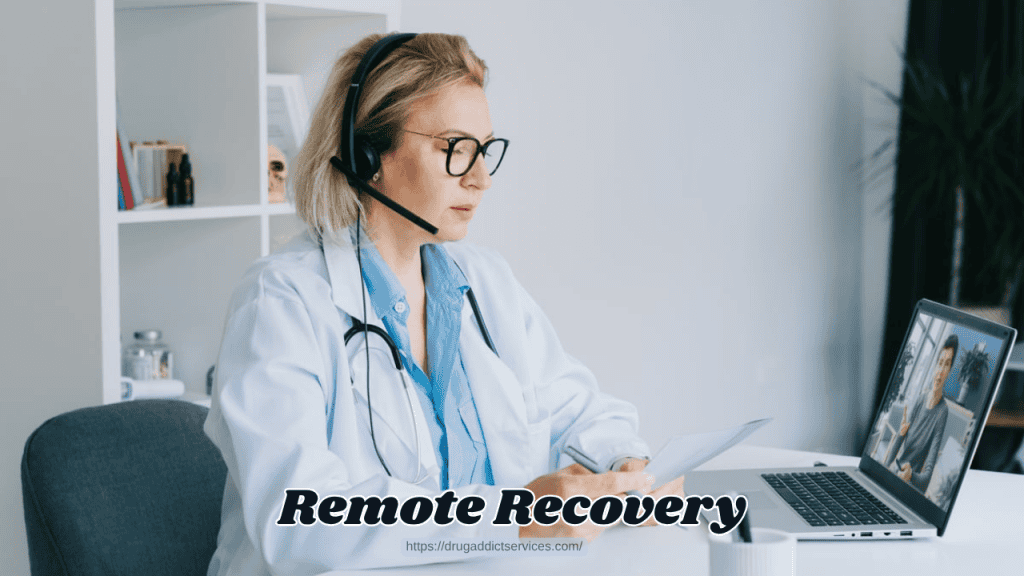
Telemedicine refers to the use of secure digital communication tools such as video calls, mobile apps, and online platforms to provide healthcare remotely. In addiction treatment, this means clients can access counseling, medication-assisted treatment, and ongoing support from the comfort of their own homes.

Through telehealth, clients can meet with licensed therapists, recovery coaches, and medical professionals who specialize in addiction and mental health care. This approach not only removes logistical barriers but also creates a more flexible, accessible path toward lasting recovery.

The Benefits of Telemedicine for Addiction Recovery

Telemedicine has rapidly become one of the most effective tools in modern addiction care. Its benefits extend beyond convenience, providing essential support for individuals who might otherwise go untreated.

1. Greater Accessibility

Many people live far from treatment centers or face mobility challenges that make in-person visits difficult. Telemedicine breaks down these barriers, allowing clients to receive professional help no matter where they are.

2. Continuous Support

Recovery requires ongoing care, and telemedicine ensures that help is always within reach. Clients can schedule regular sessions, check in with counselors, and receive medication management without disruption to their daily lives.

3. Privacy and Comfort

For some, the stigma surrounding addiction can discourage them from seeking help. Telemedicine offers a private, comfortable environment where clients can open up and receive support confidentially.

4. Integration with Holistic and Faith-Based Care

At DrugAddictServices.com, telemedicine is more than a digital tool. It is an extension of our holistic and faith-based philosophy. Clients can participate in therapy sessions, spiritual counseling, and mental health support remotely, ensuring that the care they receive remains compassionate, personalized, and aligned with their beliefs and values.

How Telemedicine Fits into Comprehensive Recovery Programs

While telemedicine provides incredible flexibility, it works best as part of a larger, well-rounded recovery plan. At DrugAddictServices.com, telehealth services are integrated into inpatient, outpatient, and aftercare programs to ensure continuity of support.

Clients may begin their journey in an inpatient program, transition to outpatient teletherapy, and continue with virtual check-ins and group sessions during aftercare. This structure maintains accountability while promoting long-term recovery success.

The Future of Remote Recovery

As technology advances, telemedicine will continue to reshape addiction treatment. Tools such as mobile monitoring apps, AI-assisted relapse prevention, and virtual support groups are expanding access and improving outcomes. With these advancements, recovery can reach people wherever they are—bringing healing into homes, workplaces, and communities around the world.

Take the First Step Toward Healing Today

Whether you are just beginning your recovery journey or seeking ongoing support, telemedicine can help you connect with compassionate professionals who understand your challenges. At DrugAddictServices.com, we combine innovation with empathy, offering holistic, faith-based, and personalized care that meets you where you are.

Recovery is closer than you think. Reach out today and discover how remote care can bring healing, hope, and connection back into your life.

Personalized Recovery: How Genetics and Precision Medicine Are Changing Addiction Care

Addiction is not a simple issue. It affects people differently depending on their biology, environment, and life experiences. For years, treatment programs often relied on standardized approaches, offering similar plans to all clients. While these methods have helped many, breakthroughs in science now show that the future of recovery lies in personalization. Genetics and precision medicine are transforming addiction care by tailoring treatments to the unique needs of each individual. At DrugAddictServices.com, where holistic, faith-based, and individualized care is central, these scientific advances fit seamlessly into the mission of meeting people exactly where they are.

Understanding the Role of Genetics in Addiction

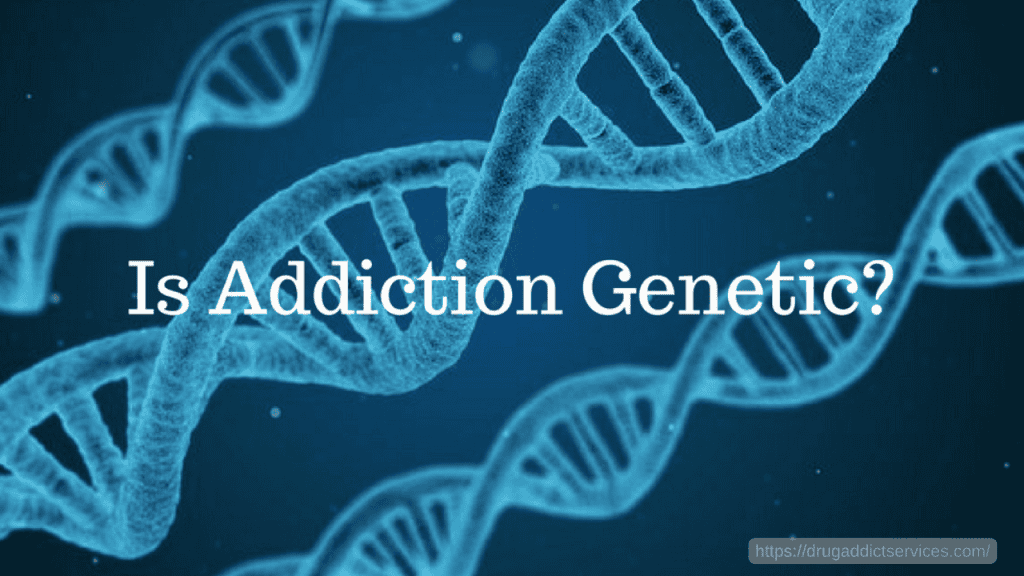
Genetics play a significant role in how people respond to substances, cravings, and treatment strategies. Studies suggest that nearly half of a person’s vulnerability to addiction may be linked to genetic factors. Certain genes can influence how the brain’s reward system reacts to drugs or alcohol, while others affect metabolism, emotional regulation, or stress response.

By identifying these genetic markers, providers can create more effective recovery plans. For example, some individuals may respond better to specific medications used in medication-assisted treatment, while others may benefit more from therapies targeting emotional regulation.

What Is Precision Medicine?

Precision medicine is a modern approach to healthcare that considers a person’s genetic makeup, environment, and lifestyle when designing treatment. Instead of one-size-fits-all, precision medicine aims for a highly individualized plan that is more likely to succeed.

In addiction care, precision medicine may involve:

  • Pharmacogenomics: Matching clients with the medications best suited to their genetic profile.
  • Personalized therapy: Designing behavioral interventions that align with a person’s unique emotional and cognitive strengths.
  • Prevention strategies: Using genetic insights to help individuals at higher risk avoid developing substance use disorders.

Integrating Science with Holistic and Faith-Based Healing

Science alone cannot heal the whole person. Addiction recovery is about mind, body, and spirit. At DrugAddictServices.com, genetics and precision medicine are viewed as powerful tools that enhance, rather than replace, compassionate care.

Clients benefit from combining advanced science with holistic practices such as nutrition, mindfulness, and physical wellness, along with faith-based support that brings strength and hope. This integrated model respects the individuality of every client while addressing the deeper spiritual and emotional needs that science alone cannot fulfill.

The Benefits of Personalized Recovery Plans

When treatment is personalized, clients are more likely to stay engaged and committed to recovery. Some key benefits include:

  • Higher success rates due to targeted, individualized care.
  • Reduced side effects from medications by choosing the right ones for each person.
  • Greater empowerment as clients see their recovery plan tailored specifically to them.
  • Long-term stability by addressing both biological and personal risk factors.

A New Era of Hope in Addiction Recovery

The integration of genetics and precision medicine into addiction treatment represents a new era of healing. For individuals who have struggled with traditional approaches, these innovations open doors to more effective and lasting recovery.

At DrugAddictServices.com, we believe in combining science, compassion, and faith to create recovery journeys that are as unique as the people we serve. If you or a loved one is struggling with addiction, now is the time to explore a path that honors your individuality and maximizes your chances of success.

Recovery is not just possible. With the right personalized approach, it is within reach. Reach out today and take the first step toward a future of healing, hope, and freedom.

Neuromodulation and the Brain: Cutting-Edge Treatments for Substance Use Disorders

Addiction is a complex disease that alters the brain’s reward system, decision-making processes, and emotional regulation. While traditional therapies like counseling, medication-assisted treatment, and group support remain essential, modern science is now offering new ways to target the brain directly. Neuromodulation therapies are at the forefront of these advances, providing innovative and non-invasive ways to restore balance and support lasting recovery. At DrugAddictServices.com, we embrace both proven methods and cutting-edge innovations to give clients every possible advantage in their journey toward healing.

What Is Neuromodulation?

Neuromodulation refers to therapies that use technology to influence brain activity. Unlike medication that works chemically, neuromodulation works electrically or magnetically to adjust how neurons communicate. The goal is to reduce cravings, improve mood, and strengthen the brain’s ability to regulate behavior.

Several techniques are currently showing promise in addiction treatment:

  • Transcranial Magnetic Stimulation (TMS): Uses magnetic pulses to stimulate specific brain regions involved in cravings and self-control.
  • Transcranial Direct Current Stimulation (tDCS): Delivers mild electrical currents that can improve focus, reduce cravings, and ease depression.
  • Deep Brain Stimulation (DBS): A more advanced option for severe cases, DBS uses implanted electrodes to regulate brain circuits, though it is still experimental for addiction.

Why Neuromodulation Matters in Recovery

Addiction rewires the brain, making it difficult to stop harmful behaviors even when someone is motivated to change. Neuromodulation gives individuals an additional tool by directly targeting the areas most affected by substance use disorders.

Some benefits include:

  • Reduced cravings and urges: Helping clients resist triggers more effectively.
  • Improved emotional stability: Supporting recovery by reducing depression and anxiety.
  • Better cognitive function: Enhancing focus, decision-making, and impulse control.
  • Non-invasive options: Most neuromodulation therapies are safe, outpatient-based, and well-tolerated.

Integrating Neuromodulation with Holistic and Faith-Based Care

Technology alone is never enough. True recovery requires addressing the whole person: mind, body, and spirit. At DrugAddictServices.com, neuromodulation is viewed as one part of a larger healing journey. Clients may combine brain-focused treatments with counseling, holistic practices like mindfulness and nutrition, and faith-based support that nurtures spiritual resilience.

This integrated approach ensures that advanced science complements, rather than replaces, the human connection and compassion at the heart of recovery.

The Future of Neuromodulation in Addiction Treatment

While neuromodulation is still emerging, research continues to expand its possibilities. Scientists are exploring personalized stimulation patterns based on brain scans, and combining neuromodulation with AI-driven tools to predict relapse risk. As these treatments evolve, they could become a standard part of comprehensive recovery programs, giving clients even more options for long-term success.

Take the Next Step Toward Healing

Substance use disorders are powerful, but so is the human capacity for healing. With therapies like neuromodulation, individuals can find new strength and stability as they work toward lasting sobriety.

At DrugAddictServices.com, we are committed to offering compassionate, individualized care that blends traditional therapies with groundbreaking treatments. If you or a loved one is struggling with addiction, reach out today. Together, we can explore every option to create a recovery path that is as unique as you are.

Hope is real. Healing is possible. The future of recovery is already here.