
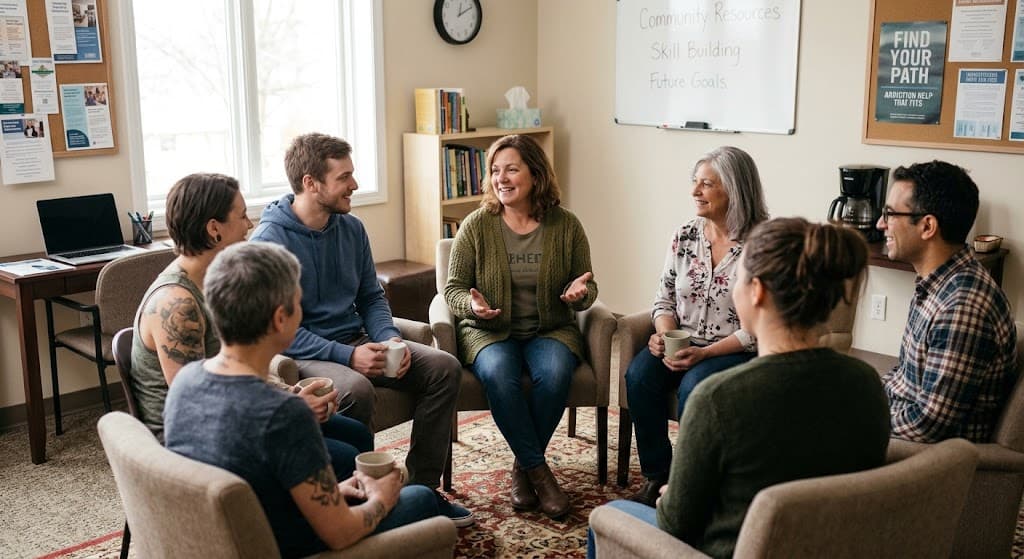
Getting sober can be one of the most important decisions a person makes, but recovery does not end when drug use stops. Lasting recovery involves learning how to manage stress, address mental health concerns, rebuild relationships, establish healthy routines, and develop a future that is not controlled by addiction. That is why effective drug addiction treatment needs to look beyond sobriety alone. Personalized drug addict services can provide the structure, professional guidance, and practical support individuals need to build a healthier and more stable life.
Addiction affects people differently. Some individuals struggle with trauma or depression, while others face family conflict, chronic stress, unhealthy environments, or years of disrupted routines. Because these circumstances are different, treatment should be tailored to the person. A comprehensive approach can combine addiction recovery services, mental health treatment, individualized counseling, inpatient or outpatient care, holistic wellness, relapse prevention, family support, and faith based care when desired.
Recovery Is About More Than Stopping Drug Use
Stopping substance use is an important first step, but it does not automatically resolve everything addiction has affected.
During active addiction, everyday responsibilities can become difficult to manage. Physical health may decline. Relationships may become strained. Work or education may suffer. Emotional concerns can remain unresolved. Even simple routines such as sleeping well, eating regularly, exercising, or managing finances may have been pushed aside.
Once drug use stops, these areas need attention.
A healthier future requires new skills
Recovery may involve learning how to:
- Manage stress without relying on substances
- Recognize and respond to emotional triggers
- Communicate more effectively
- Establish healthy boundaries
- Develop consistent daily routines
- Rebuild trust with loved ones
- Handle cravings and difficult situations
- Make healthier decisions
- Set realistic personal goals
These skills can help turn sobriety into something more sustainable. Instead of simply removing drugs from someone’s life, treatment can help create a life that supports continued recovery.
Personalized Addiction Treatment Starts With the Individual
There is no single treatment plan that works for everyone. Effective drug addiction treatment should account for the individual’s history, current circumstances, mental health, physical health, relationships, strengths, and goals.
An individualized approach allows treatment professionals to understand what the person actually needs instead of making assumptions based solely on the substance being used.
What can shape an individualized treatment plan?
A comprehensive assessment may consider:
- Substance use patterns and history
- Previous treatment experiences
- Mental health needs
- Physical health concerns
- Family circumstances
- Living environment
- Personal strengths
- Recovery goals
- Available support systems
These factors can help determine which services and level of care are appropriate. They can also help treatment remain responsive as recovery progresses. Someone may need intensive structure initially and greater independence later.
Personalized care recognizes that progress is not always linear. Treatment can be adjusted as needs and goals change.
Mental Health Treatment Is Part of Recovery
Addiction and mental health concerns frequently overlap. Anxiety, depression, trauma, grief, and chronic stress can influence substance use, while prolonged drug use can make emotional and psychological difficulties harder to manage.
When mental health concerns remain untreated, maintaining recovery may become more challenging.
Integrated care can address the issues beneath addiction
Mental health treatment can help individuals:
- Understand emotional triggers
- Develop healthi