
Addiction is a multifaceted condition that affects the mind, body, and spirit. For many individuals, overcoming addiction requires more than just willpower—it demands a well-rounded treatment approach that addresses both the physical and psychological aspects of the disease. This is where the combination of therapy and medication plays a pivotal role in comprehensive addiction treatment. By integrating these two elements, treatment programs can offer a more holistic and effective pathway to recovery, enabling individuals to heal physically, mentally, and emotionally.
Medication-Assisted Treatment (MAT)
Medication-Assisted Treatment (MAT) is a cornerstone of comprehensive addiction care, particularly for those struggling with opioid, alcohol, or nicotine dependence. MAT involves the use of FDA-approved medications that help manage withdrawal symptoms, reduce cravings, and restore balance to brain chemistry disrupted by substance use. Common medications used in MAT include methadone, buprenorphine, and naltrexone for opioid addiction, as well as disulfiram and acamprosate for alcohol use disorder.
One of the primary benefits of MAT is its ability to stabilize individuals in early recovery, a period that is often marked by intense cravings and withdrawal symptoms. By easing these physical discomforts, medication allows individuals to focus on the psychological and behavioral aspects of their addiction. This, in turn, reduces the risk of relapse, as individuals are better equipped to manage the triggers and stressors that often lead to substance use.
MAT is especially effective when combined with behavioral therapy, as the medication helps individuals manage the physical symptoms of addiction while therapy addresses the mental and emotional aspects. This combination creates a more balanced and sustainable recovery process.
Cognitive Behavioral Therapy (CBT)
Cognitive Behavioral Therapy (CBT) is one of the most widely used therapeutic approaches in addiction treatment. It focuses on identifying and changing unhealthy thought patterns that contribute to addictive behaviors. In CBT, individuals learn to recognize triggers—situations, emotions, or environments that prompt substance use—and develop healthier coping mechanisms to deal with cravings or stress.
What makes CBT particularly effective is its emphasis on practical, action-oriented strategies. Rather than solely exploring past traumas or emotions, CBT teaches individuals how to handle real-life situations that may lead to relapse. For instance, a person may learn how to avoid certain social situations where drug use is common or how to manage anxiety without turning to substances. By challenging negative thinking patterns and replacing them with healthier alternatives, CBT empowers individuals to take control of their recovery.
Moreover, the skills learned in CBT can be used long after formal treatment has ended, making it a powerful tool for long-term recovery. Many studies have shown that individuals who undergo CBT are less likely to relapse, as they are better equipped to navigate life’s challenges without resorting to substance use.
Motivational Interviewing (MI)
Motivational Interviewing (MI) is another therapeutic approach often used in addiction treatment. Unlike more confrontational therapies, MI is a client-centered, non-judgmental form of counseling that aims to enhance an individual’s motivation to change. This is particularly important in addiction treatment, as many individuals enter treatment ambivalent about their desire to quit or uncertain about their ability to do so.
MI helps individuals explore their own reasons for wanting to change, focusing on their personal values and goals. Through open-ended questions and empathetic listening, therapists guide individuals toward self-realization and commitment to change. MI is especially effective for individuals who may not yet be fully ready to embrace recovery, as it helps them resolve internal conflicts and build confidence in their ability to change.
Combining Therapy and Medication for Comprehensive Care
While medication can ease physical symptoms and cravings, therapy addresses the deeper emotional, psychological, and behavioral patterns that contribute to addiction. Together, they form a powerful combination that enhances the likelihood of long-term recovery. For example, an individual on MAT can better engage in therapy because their cravings and withdrawal symptoms are under control, allowing them to focus on the emotional and cognitive work needed for recovery.
The synergy between medication and therapy ensures that individuals receive care tailored to their unique needs. By addressing both the body and the mind, comprehensive addiction treatment promotes holistic healing, increases treatment retention, and significantly reduces the likelihood of relapse.
Conclusion
The integration of therapy and medication in comprehensive addiction treatment is key to successful recovery. While medication helps to manage the physical effects of addiction, therapy empowers individuals to tackle the psychological and emotional challenges that contribute to substance use. Together, they create a more complete, effective approach to overcoming addiction, offering individuals the best chance at long-term sobriety and a healthier, more fulfilling life.




 There are many varieties of
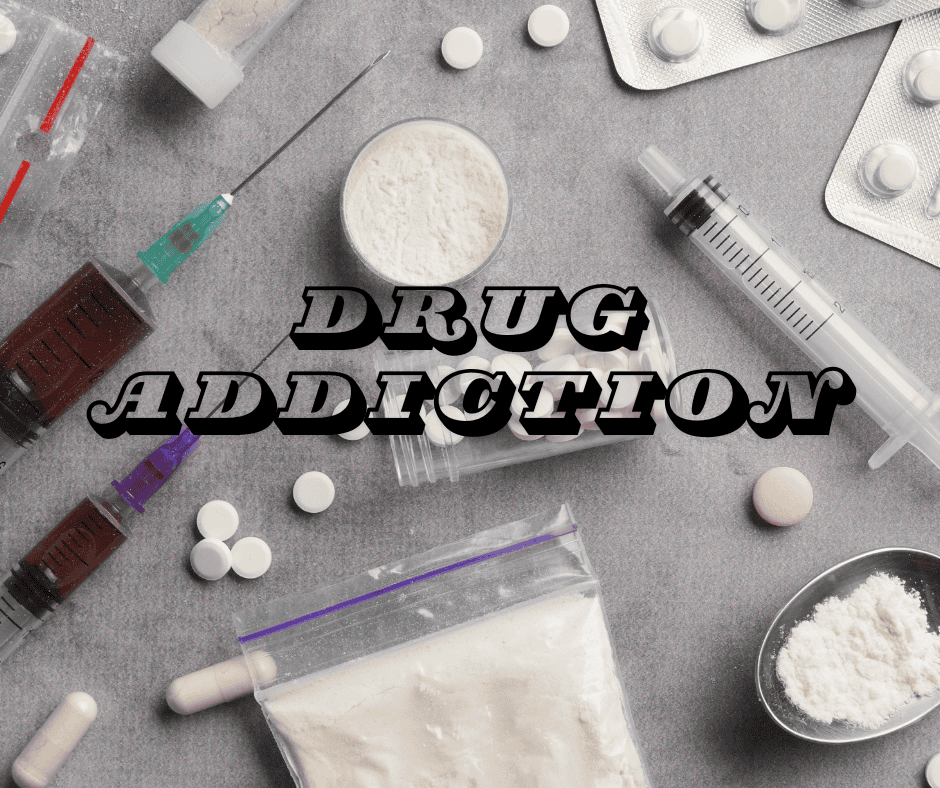
 Drug and alcohol addiction is very prevalent in the world of today, but just what is drug and alcohol addiction and what causes it?