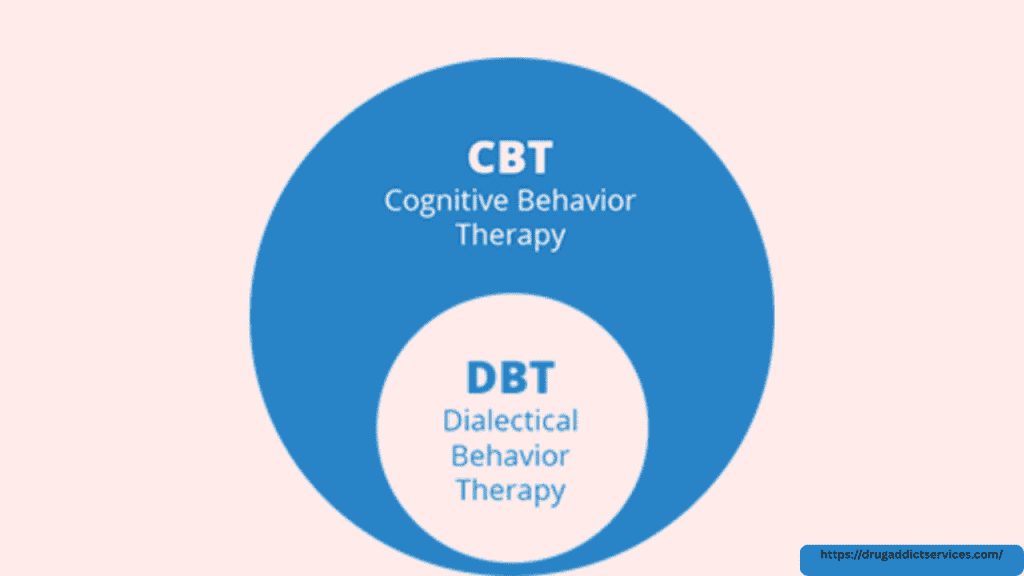
Recovering from drug addiction involves more than just detoxifying the body. Addiction is a complex disease that deeply affects the brain, emotions, behaviors, and relationships. To address these dimensions, therapy plays a central role in addiction recovery. Through evidence-based approaches such as Cognitive Behavioral Therapy (CBT), Dialectical Behavior Therapy (DBT), and other therapeutic methods, individuals can develop the tools needed to maintain long-term sobriety and rebuild meaningful lives.
Cognitive Behavioral Therapy (CBT)
Cognitive Behavioral Therapy is one of the most widely used and researched therapies in addiction treatment. CBT helps individuals recognize and change destructive thought patterns that lead to substance use. The core idea is that thoughts influence emotions, which in turn influence behaviors. By learning to identify and challenge distorted thoughts, individuals can alter their behaviors and develop healthier coping strategies.
CBT is particularly effective in helping patients manage triggers, prevent relapse, and deal with stress or cravings. It teaches practical skills such as problem-solving, goal-setting, and emotional regulation, making it a cornerstone of many addiction treatment programs.
Dialectical Behavior Therapy (DBT)
Dialectical Behavior Therapy, originally developed for individuals with borderline personality disorder, has proven to be highly effective in treating substance use disorders, especially when emotional dysregulation is a core issue. DBT emphasizes the balance between acceptance and change. It helps individuals understand their emotions, manage distress without turning to drugs, and improve interpersonal relationships.
DBT focuses on four main skill areas:
- Mindfulness: Becoming aware of the present moment and one’s feelings without judgment.
- Distress Tolerance: Learning to cope with crises and emotional pain in healthy ways.
- Emotion Regulation: Identifying, understanding, and managing emotions constructively.
- Interpersonal Effectiveness: Developing healthy communication and boundary-setting skills.
By teaching these skills, DBT equips individuals with the emotional tools to navigate recovery and reduce the urge to self-medicate.
Beyond CBT and DBT: Other Therapeutic Approaches
While CBT and DBT are foundational therapies, addiction treatment often incorporates a variety of additional methods to provide comprehensive support:
- Motivational Interviewing (MI): A client-centered approach that helps individuals resolve ambivalence about quitting drugs and strengthens their commitment to change.
- Trauma-Informed Therapy: Many people with addiction have experienced trauma. This approach addresses the impact of trauma on addiction and fosters healing in a safe, supportive environment.
- Group Therapy: Peer support helps individuals feel less isolated, share experiences, and learn from others on the same journey.
- Family Therapy: Involving loved ones in the recovery process can rebuild trust, improve communication, and create a more supportive home environment.
Conclusion
Therapy is a vital component of drug addiction recovery. Whether it’s CBT, DBT, or other therapeutic approaches, counseling helps individuals uncover the root causes of addiction, develop healthier thought patterns, and build life skills necessary for sustained sobriety. When combined with medical treatment and a strong support network, therapy becomes a powerful force in the journey toward a drug-free life.